
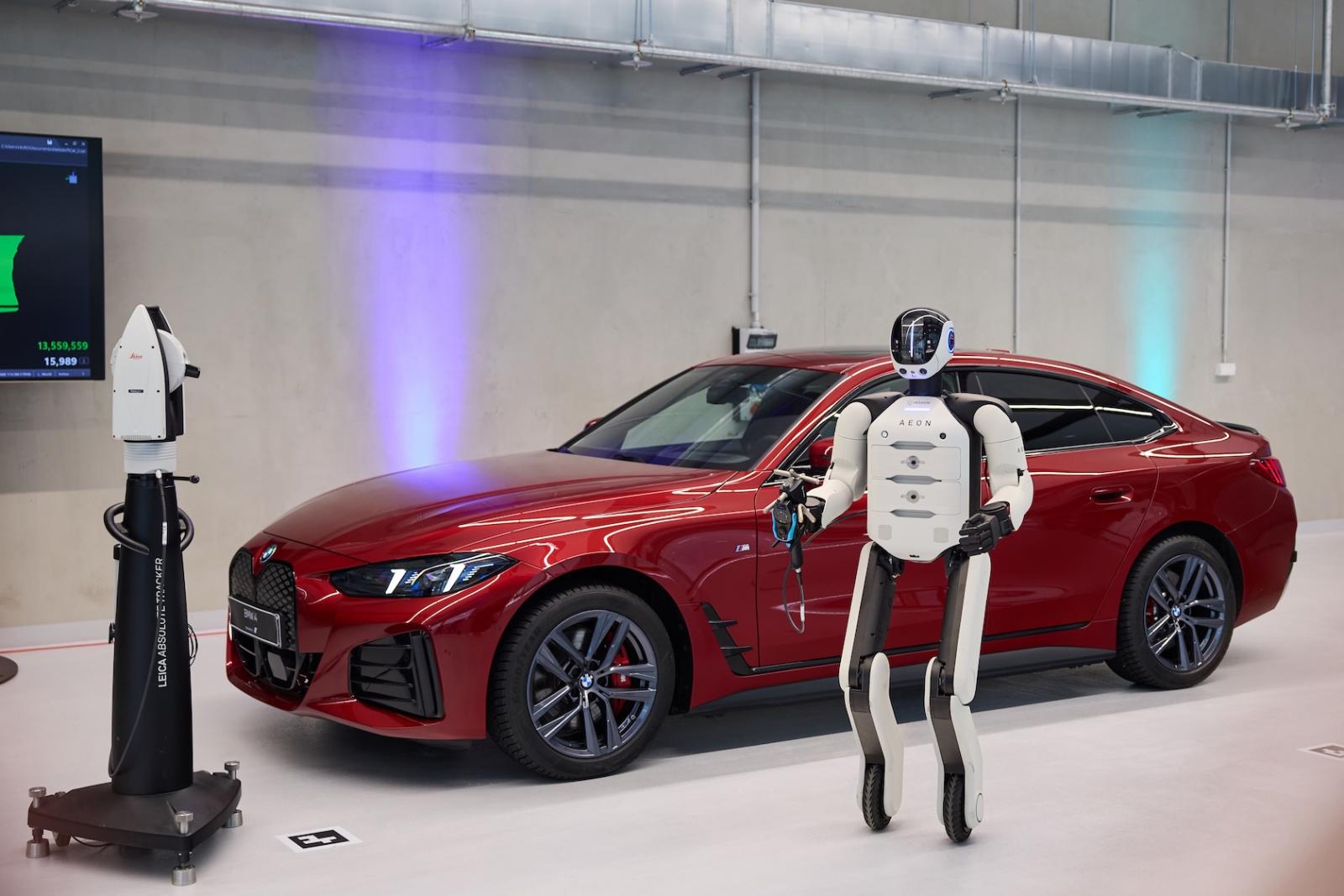
The BMW Group is advancing the digitalisation and use of artificial intelligence in production. A key element in this effort is “Physical AI,” which combines digital artificial intelligence (AI) with real machines and robots. This enables intelligent systems such as humanoid robots to be integrated into real-world production processes.

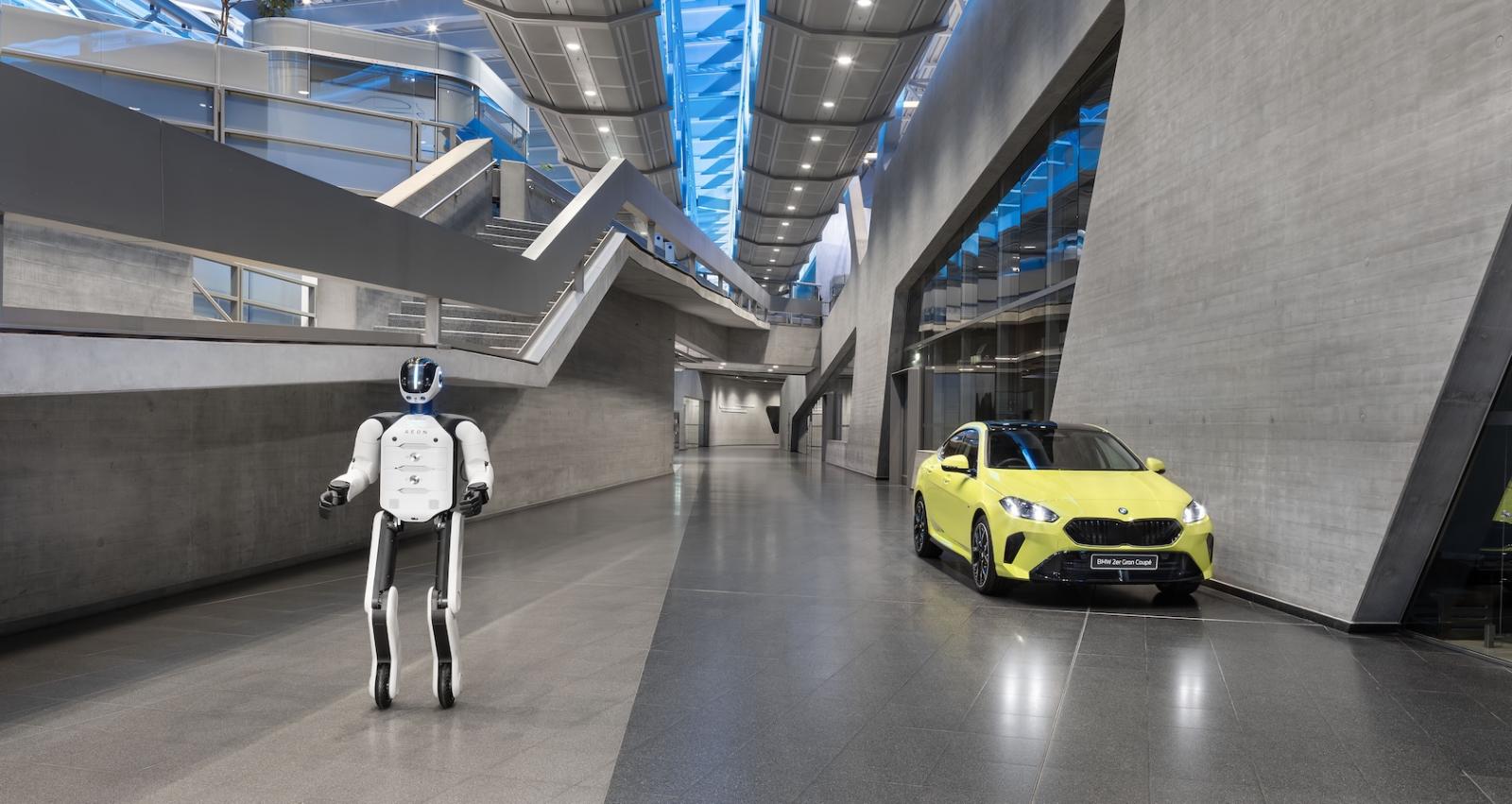
For the first time, the BMW Group is now bringing Physical AI to Europe and launching a pilot project with humanoid robots at the Leipzig plant. The project aims to integrate humanoid robotics into existing series production of cars and to explore further applications in the production of batteries and components.
“Digitalisation improves the competitiveness of our production – here in Europe and worldwide. The symbiosis of engineering expertise and artificial intelligence opens up entirely new possibilities in production,” said Milan Nedeljković, Member of the Board of Management of BMW AG.
Last year, the BMW Group successfully implemented a pilot project with humanoid robots at its Spartanburg plant in the United States. The insights gained from this project are being leveraged to further develop and scale Physical AI applications.
Unified IT and data model in the production system
Artificial intelligence is already an integral part of the BMW Group’s production system. From the virtual factory with digital twins and AI‑enabled quality controls to intralogistics with autonomous transport solutions, intelligent systems are used in almost all production steps.
A prerequisite for the effective use of artificial intelligence in production is a unified IT and data model across the entire production system. The BMW Group has transformed isolated data silos into a unified data platform in its production system meaning that all data is consistent, standardised, and available at all times. This enables digital AI agents to take on increasingly challenging tasks autonomously and in complex environments while continuously learning and becoming available for additional areas of application. The introduction of intelligent and autonomous decision‑making agents marks a paradigm shift in production. In combination with robots, these digital AI agents are what make up Physical AI.
“Our aim is to be a technology leader and to integrate new technologies into production at an early stage. Pilot projects help us to test and further develop the use of Physical AI – that is, AI‑enabled robots capable of learning – under real-world industrial conditions,” said Michael Nikolaides, Senior Vice President Production Network, Supply Chain Management at BMW Group.
CARLIST THOUGHTS
The world’s first deployment of humanoid robots at a BMW Group plant took place at the Spartanburg plant in the United States in 2025, in collaboration with the technology company Figure AI. The results demonstrated that Physical AI can deliver measurable added value under real-world conditions. Within ten months, the robot Figure 02 supported the production of more than 30,000 BMW X3, working ten-hour shifts daily from Monday to Friday.