 Peter Lyon
July 1, 2023
Peter Lyon
July 1, 2023
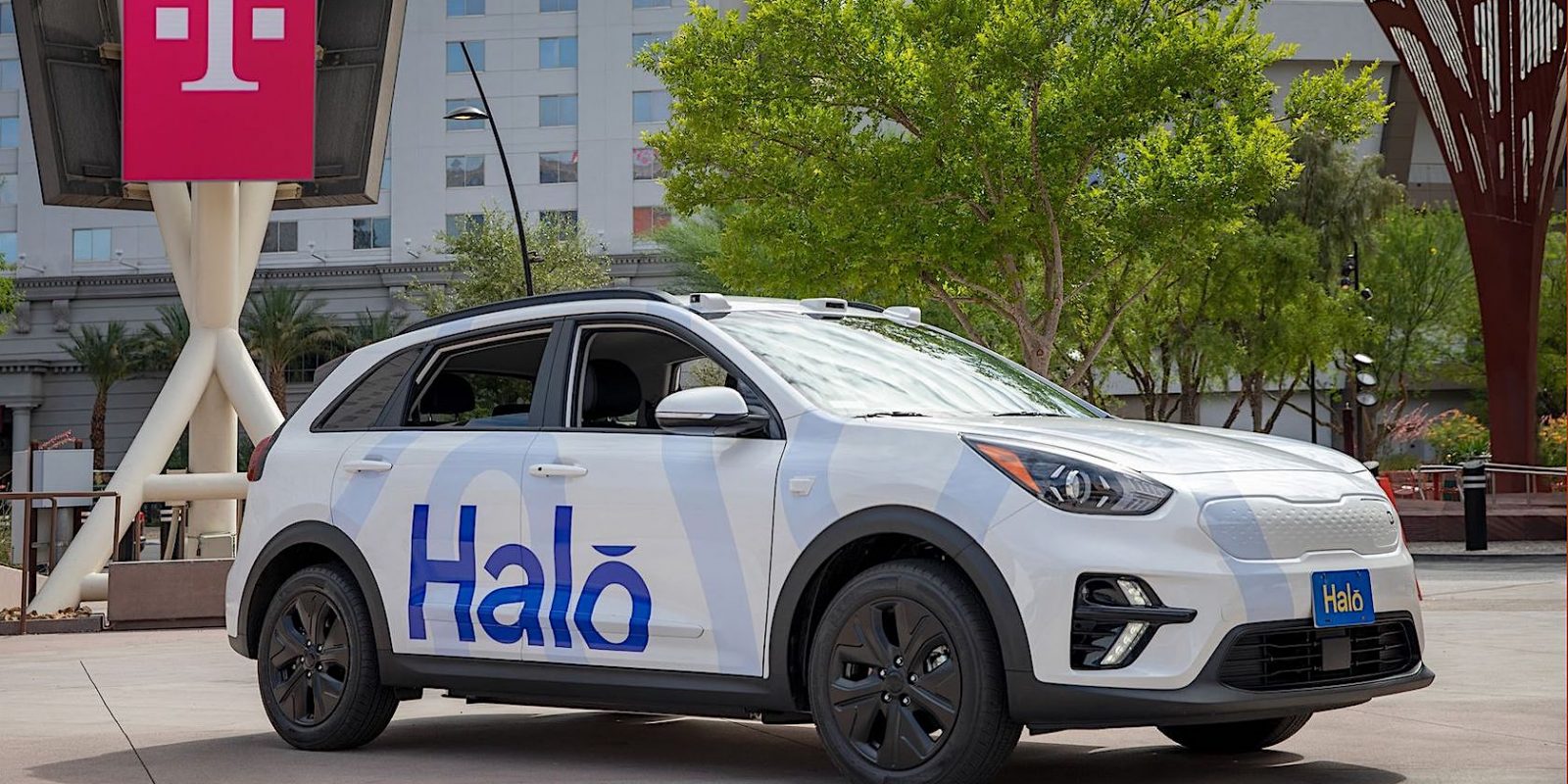
The future is here. Yes, in Las Vegas, on-demand EVs are just a click away or a simple phone call away. If you want to rent an electric vehicle (EV) in Las Vegas, you can now have one delivered to you remotely—and without a driver.
EV startup Halo.Car, who has been testing remote delivery of on-demand EVs in Las Vegas since 2022, now says the technology is robust and secure enough to remove the backup safety driver.
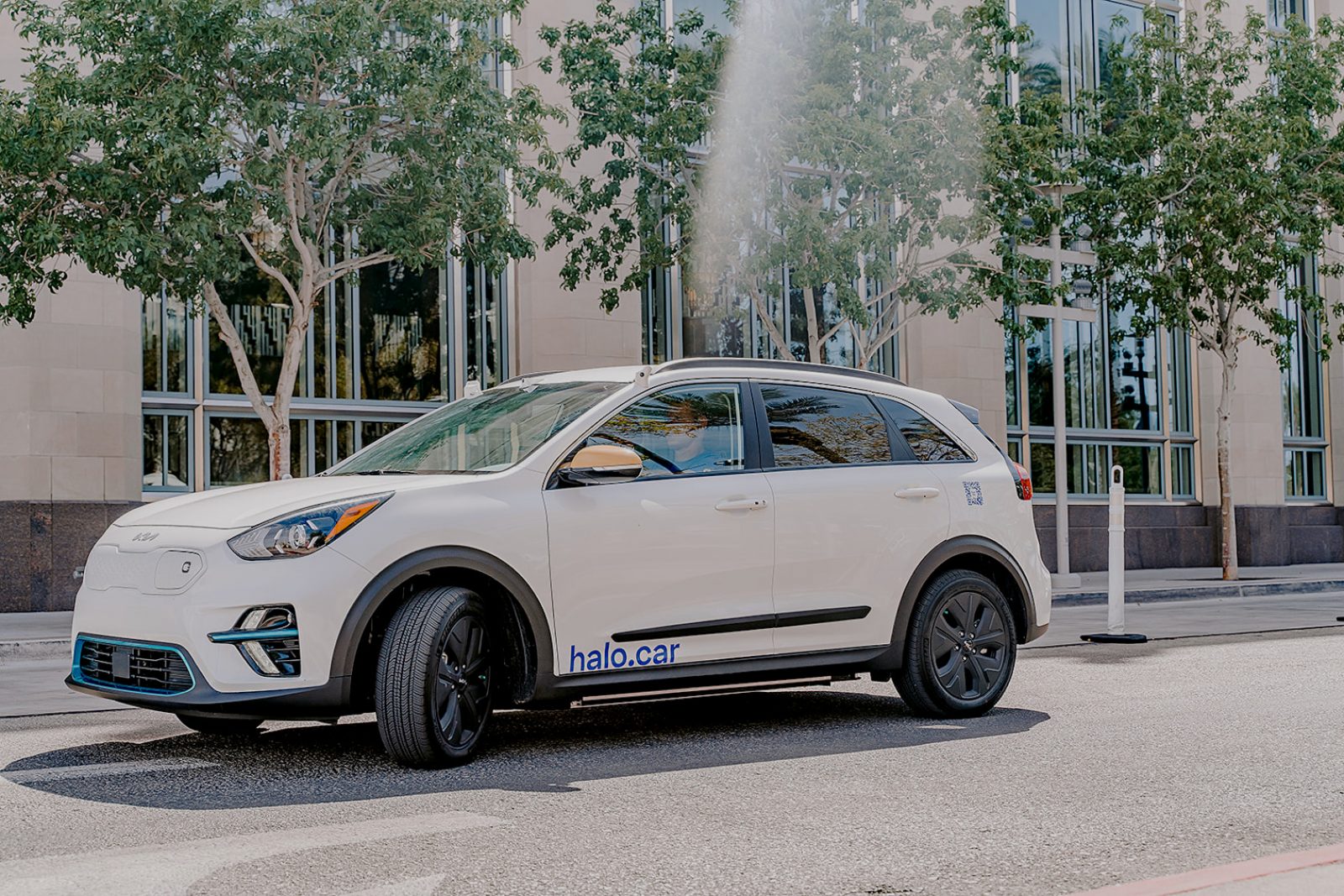
That translates to an empty car arriving at your doorstep, which means you can simply jump in and drive away.
But make no mistake. During the delivery of course, the car is controlled by a human operator behind a computer screen several miles away. This operator is meticulously monitoring every small detail to do with the car en route to you.
Your specially trained remote pilot uses the steering wheel, foot pedals and other controls, together with video and sensor data—including radar, cameras and LIDAR—streamed from the vehicle to realize a seamless delivery.
The system operates over T-Mobile’s 5G network, with AT&T and Verizon as backups to ensure a reliable network connection and low latency.
So how does it work? Riders use the Halo app to summon a modified electric Kia Niro SUV. When the driverless car arrives, the remote pilot hands over control of the vehicle to the customer, who simply slides in behind the wheel and drives away.
When the client is ready to return the car, the rider (not driver of course!) simply requests that control of the vehicle be switched back to the remote pilot several miles away, while exiting the car.
Booked in advance by another rider, the remotely operated EV then moves on to the next customer, or navigates its way to the nearest charging station—if necessary.
For now—or until absolute seamless operation can be guaranteed—Halo.Car vehicles will be followed by employees in a chase car who will be monitoring the car’s progress and can intervene if required.
The initial fleet includes around 20 vehicles limited to a speed of 25 mph while is remote-mode operation. The remote operation zone itself is a 1.5 square mile area of downtown Las Vegas, with a wider area planned for the near future.
OUR THOUGHTS
Without a doubt, this is the future. Blade Runner is here. It will be interesting to see just how smoothly this revolutionary new driverless service operates, and how many times the backup car has to intervene. But when you hear of a maximum speed of 25 mph for these driverless EVs, it raises a couple of questions—is that speed quick enough to satisfy riders? And is that speed so slow that it will irritate other motorists? I’ve been driven—as a passenger—in such driverless cars several times, and I must say that while the technology is impressive, the actual operation still leaves much to be desired in terms of smooth, seamless remote driving in complicated traffic conditions.