
 Peter Lyon
October 3, 2023
Peter Lyon
October 3, 2023
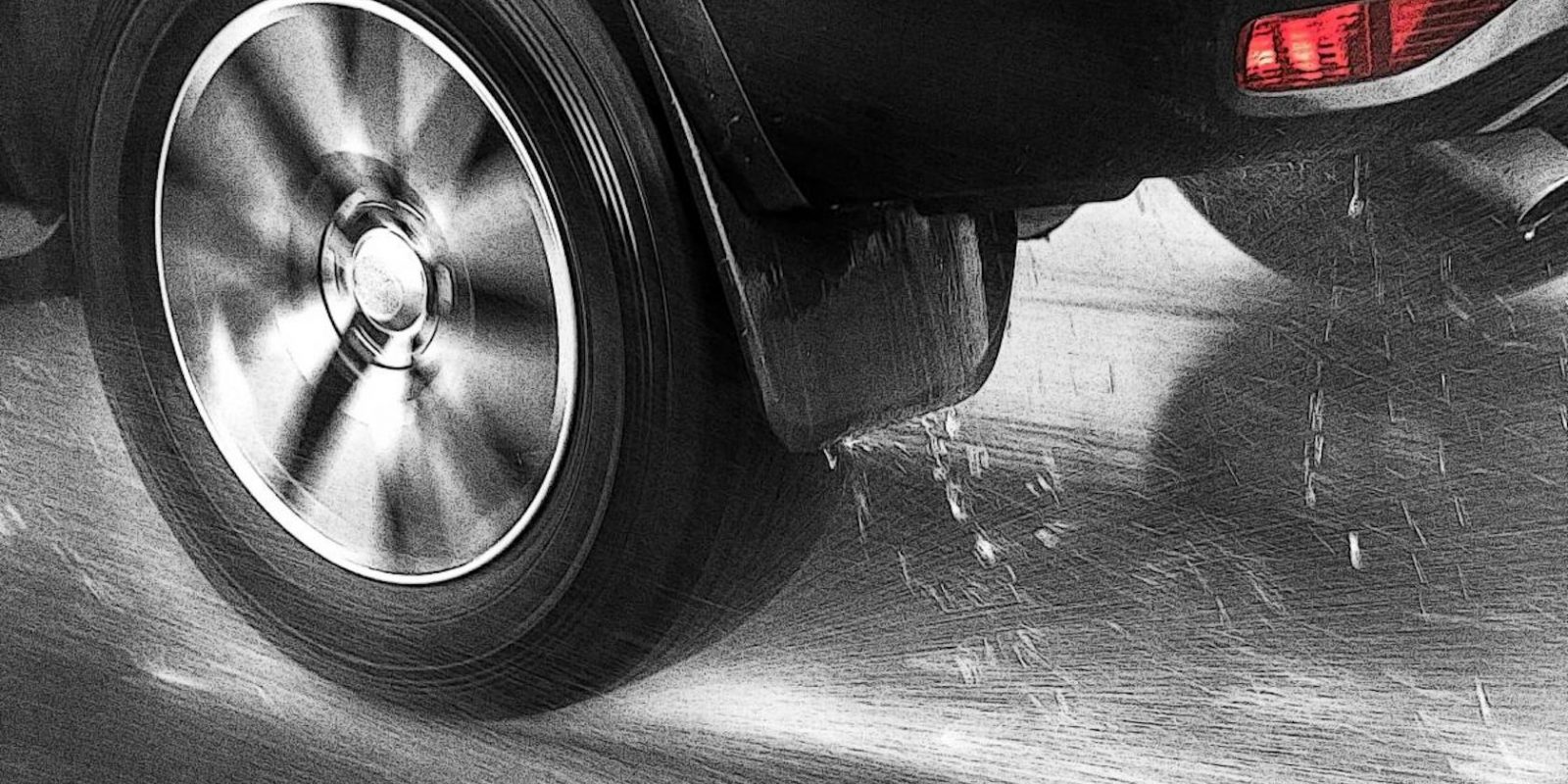
You may think that CO2 and NOx gases from cars, trucks and buses are worse for the environment than just about anything else. But it turns out that tires are far worse.
Around two billion of them are produced annually throughout the world, and a recent study discovered that an astounding 78% of ocean microplastics originate from—yes—tires!
To be more specific—Mayim, or tire dust?
While governments and the car industry scramble to change production methods in the upcoming years to a zero-emissions industry, a recent study has revealed that other major sources of pollution are also deserving of attention. According to a Yale School of the Environment study, 78 percent of the ocean’s microplastics are made up of tire dust, which are tiny particles that degrade and wear off of tires over time—and end up in water systems.
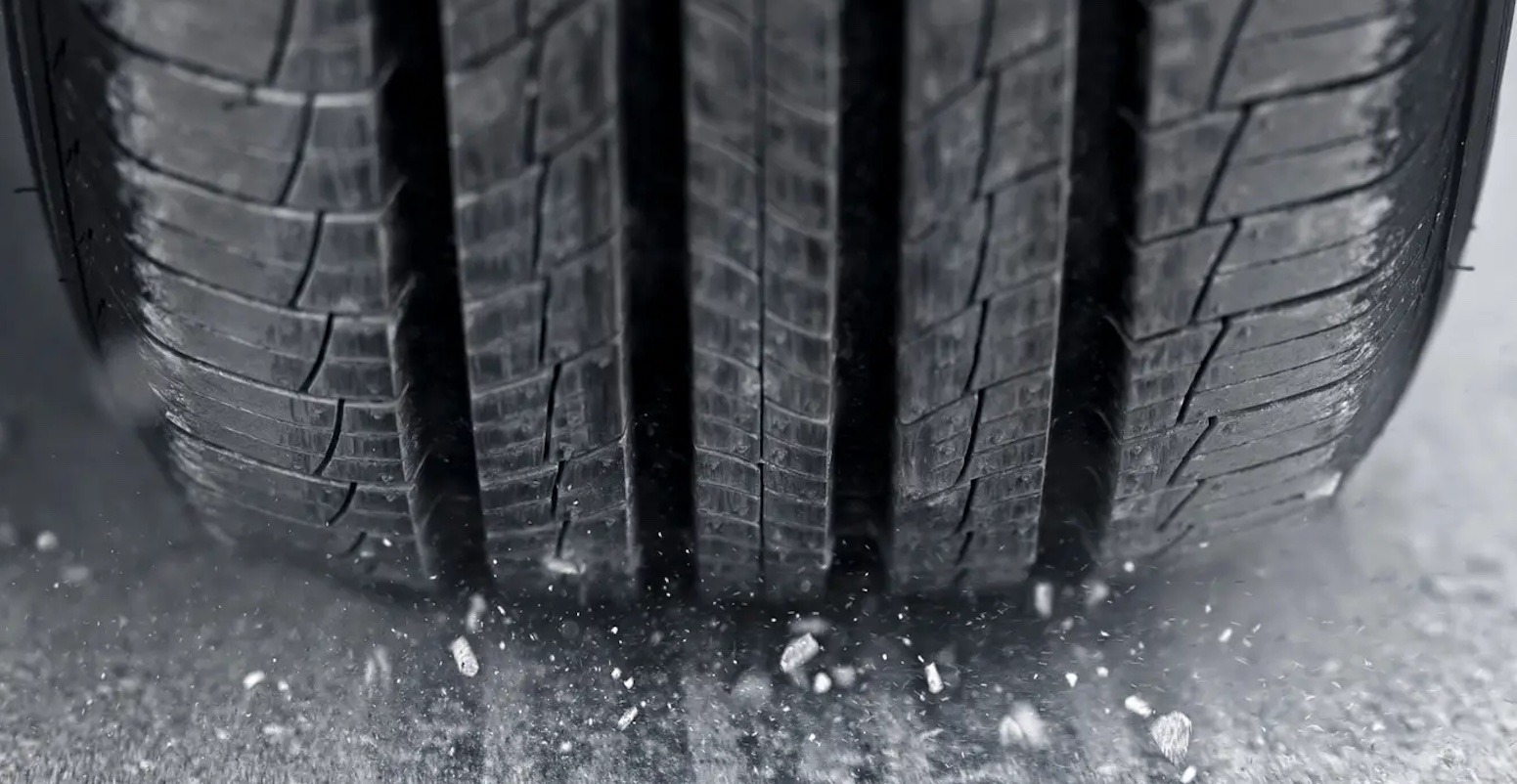
“We found very high levels of microplastics in our local water,” Rebecca Sutton, an environmental scientist with the San Francisco Estuary Institute who studied runoff told Yale. “Our estimated annual discharge of microplastics into San Francisco Bay from stormwater was seven trillion particles, and half of that was suspected tire particles.”
The new Yale analysis actually presents a considerably more comprehensive picture of the toxicity of automobile tires and the tire manufacturing business. It describes a multi-decade effort to identify the affects specific chemicals have on salmon on the West Coast, for instance, and how some of those chemicals can turn poisonous throughout the usual wear and tear of a tire’s lifespan.
OUR THOUGHTS
I don’t know about you, but that reference to the effects of certain chemicals on salmon, and other fish, kind of turns me against fish. I’ll still eat it, but I need to do a lot more research nowadays than I did before. Researchers’ determination to identify the culprit(s), such as a substance termed 6PPD, led them to learn how much tire dust is released when driving. A car’s four tires produce one trillion particles for every kilometer driven, according to a three-year UK study. That 78 percent suddenly doesn’t seem as shocking.