
 Peter Lyon
February 11, 2025
Peter Lyon
February 11, 2025
Tesla’s robotaxis are coming. By the middle of the year, Tesla intends to launch a completely autonomous ride-hailing service in Austin, Texas. At least that’s what Elon Musk, the controversial CEO, promised investors on a year-end earnings call on Wednesday. “We’re going to be launching unsupervised Full Self-Driving as a paid service in Austin in June,” he stated.
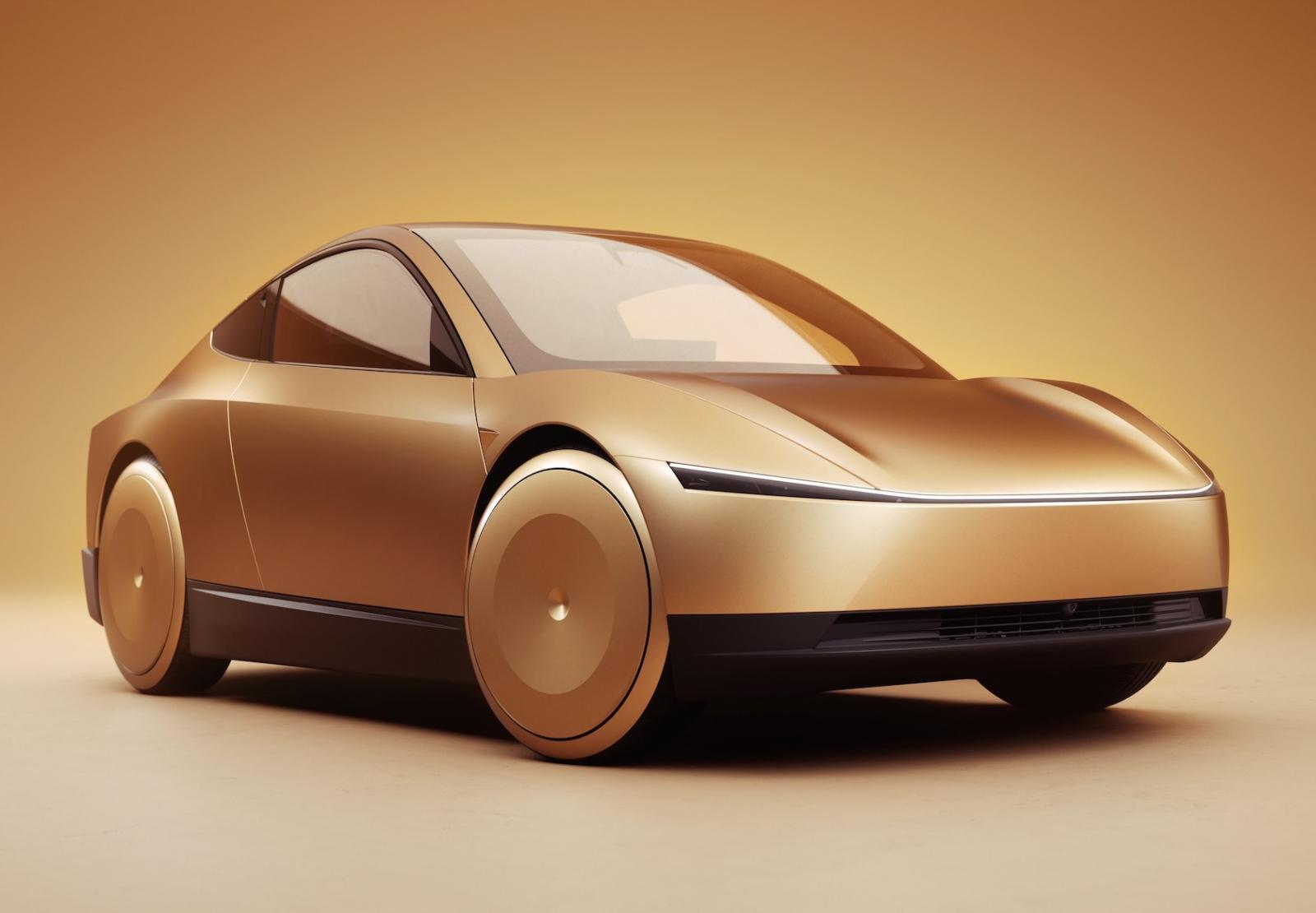
Pricing information was not provided, but the company says it will utilise its own fleet (the Model 3 and Model Y) for the first robotaxis rather than the Cybercab, which was unveiled in October of last year but isn’t anticipated to enter production until at least 2026. At its Fremont, California factory, Tesla models have been running autonomously, a feature that will soon be available at its Austin facility as well as others across the globe. By the end of the year, the firm hopes to extend its robotaxi service to additional American cities.
Notably, Telsa won’t be the first company to make autonomous taxis available to the general public. For a number of years, Waymo has run a driverless ride-hailing service called Waymo One. It began in Phoenix, Arizona, and has now spread to Los Angeles, San Francisco, and soon to Austin, Atlanta, and Miami.
To make sure everything is operating as it should and to put the safety of its passengers and pedestrians first, Tesla stresses that it will gradually introduce its robotaxi service. “Our solution is a generalised AI solution,” Musk stated. “It doesn’t require high-precision maps of a locality, so we just want to be cautious.”
Tesla’s unsupervised Full Self-Driving software will make its debut if the strategy is successful, but at the moment, only FSD (Supervised) is available. According to Musk, the unsupervised version might be accessible on customer vehicles as early as next year, paving the way for the Tesla Network, which was first suggested almost ten years ago. As part of the ride-hailing fleet, owners will be able to hire out their own cars. Naturally, it is still unclear when this will actually be implemented because Tesla must first resolve billing issues and, more crucially, ensure that the vehicles are safe enough to drive themselves.
CARLIST THOUGHTS
Sounds to me like the potential for these FSD robotaxis is endless, depending of course on how reliable the AI software can be. To be honest, I can only ever see Tesla using a Model 3 or Y simply because the 2-door Cybercab—with the lack of rear headroom, is totally impractical as a taxi.