 Peter Lyon
April 4, 2025
Peter Lyon
April 4, 2025
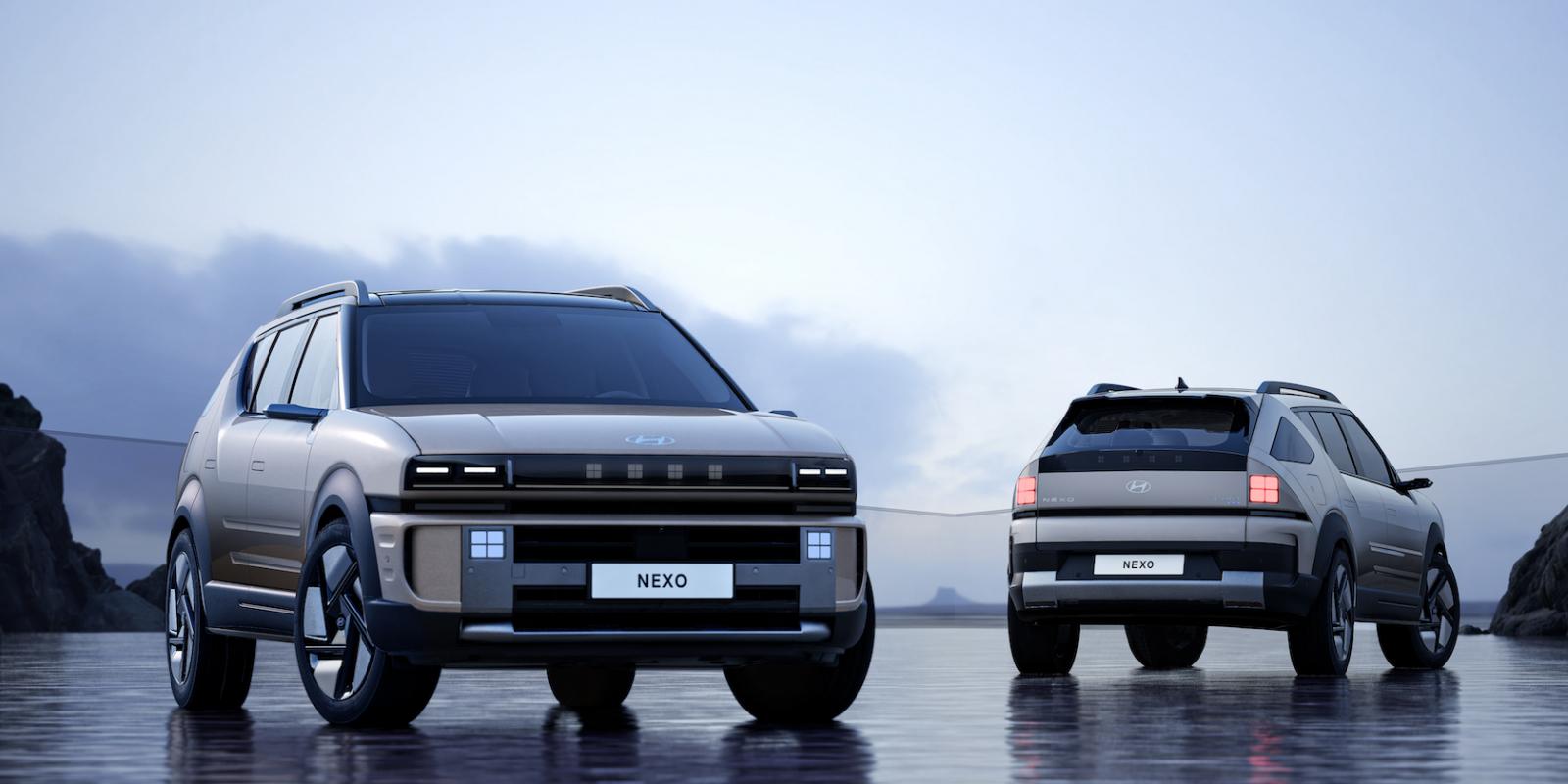
If you thought hydrogen-powered fuel cell cars were a dying breed, think again. Just yesterday, Hyundai unveiled the all-new NEXO fuel cell electric vehicle (FCEV), a cutting-edge mid-size SUV, at its global launch event at the Seoul Mobility Show in Korea. The launch marks a significant milestone in hydrogen mobility.
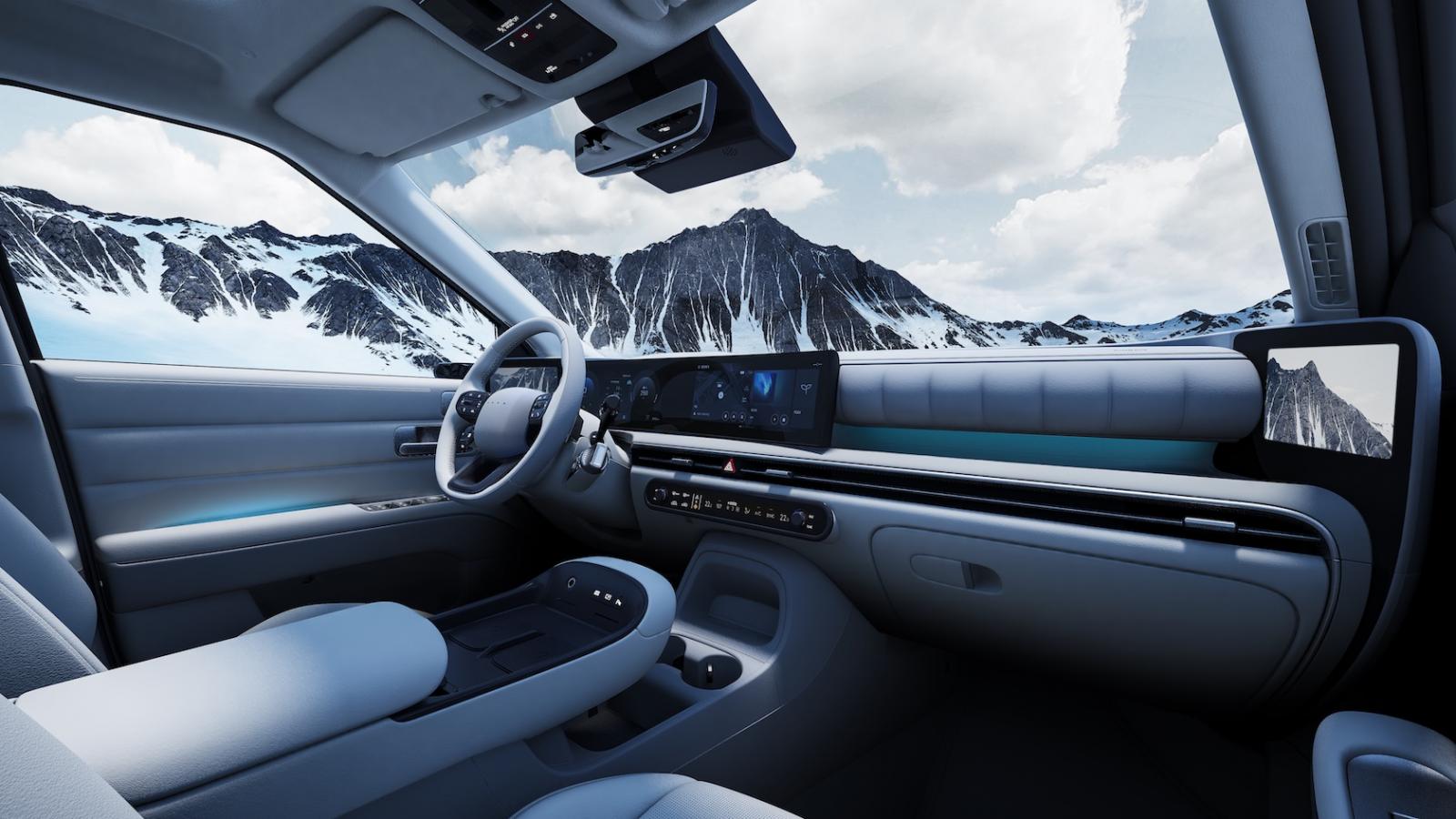
The new model offers flexibility, efficiency and safety, making it an easy choice for early FCEV adopters, especially given the fact that there’s only really several such vehicles on the market — including the Toyota Mirai. And as you’d expect with fuel cell technology, NEXO emits zero tailpipe emissions.
Boasting around 700 km of range from a five-minute charge, Hyundai is offering a fuel-cell car that now vies with efficient gasoline, diesel and plug-in hybrids in terms of range. The Korean brand is also targeting top-tier safety ratings thanks to the NEXO’s comprehensive safety features, ensuring peace of mind for drivers and passengers.
The second-generation NEXO reflects Hyundai Motor’s leadership in hydrogen mobility and 27 years of fuel cell technology experience. This new model also underscores the company’s commitment to a diversified vehicle electrification strategy, which includes not only battery electric vehicles (BEVs) and hybrids, but also FCEVs, offering wider consumer choice.
A new motor system complements these enhancements, increasing the PE system’s power output and battery capacity. As a result, the total output has been elevated from 135 kW to 190 kW, while the battery’s output has doubled from 40 kW to 80 kW. These improvements contribute to a faster 0-100 km/h acceleration time of 7.8 seconds[9] compared with 9.2 seconds for the previous NEXO, ensuring excellent acceleration and smooth overtaking capability.
The hydrogen fuel cell stack now delivers maximum gross power of 110 kW, a 16 percent increase, while the new electric motor provides up to 150 kW. The FC stack also features improved low-temperature operability and durability enhancements, including to the membrane, and a uniform cell performance structure. The ‘Wake Up’ stack anti-freezing function and other system optimizations enhance low-temperature drivability and ease of starting year-round.
CARLIST THOUGHTS
It’s great to see Hyundai pushing boundaries and going to great lengths to develop an all-new fuel cell vehicle—especially given the fact that most carmakers have plonked their FCV plans on the back-burner simply because such cars find it tough to attract customers not to mention satisfying user’s infrastructure needs with limited hydrogen refueling stations. Ah, yes, and the cost is still relatively high compared to standard hybrids.