 Peter Lyon
March 11, 2023
Peter Lyon
March 11, 2023
- Only eight of Tesla’s nationwide 1,400 Supercharger stations are open to non-Teslas so far
- The White House announced on February 15 that Tesla would make at least 7,500 of its fast chargers available to all EVs by the end of 2024
- Tesla plans to double the size of its network by 2024, which will make it eligible for federal tax credits
Thousands of non-Tesla electric vehicle drivers were excited to learn recently that they could access the EV pioneer’s well-known fast-charging network across the U.S. We have colleagues in America driving a mix of EVs from an Audi e-tron RS to a Kia EV6, but the reality is far from favorable.
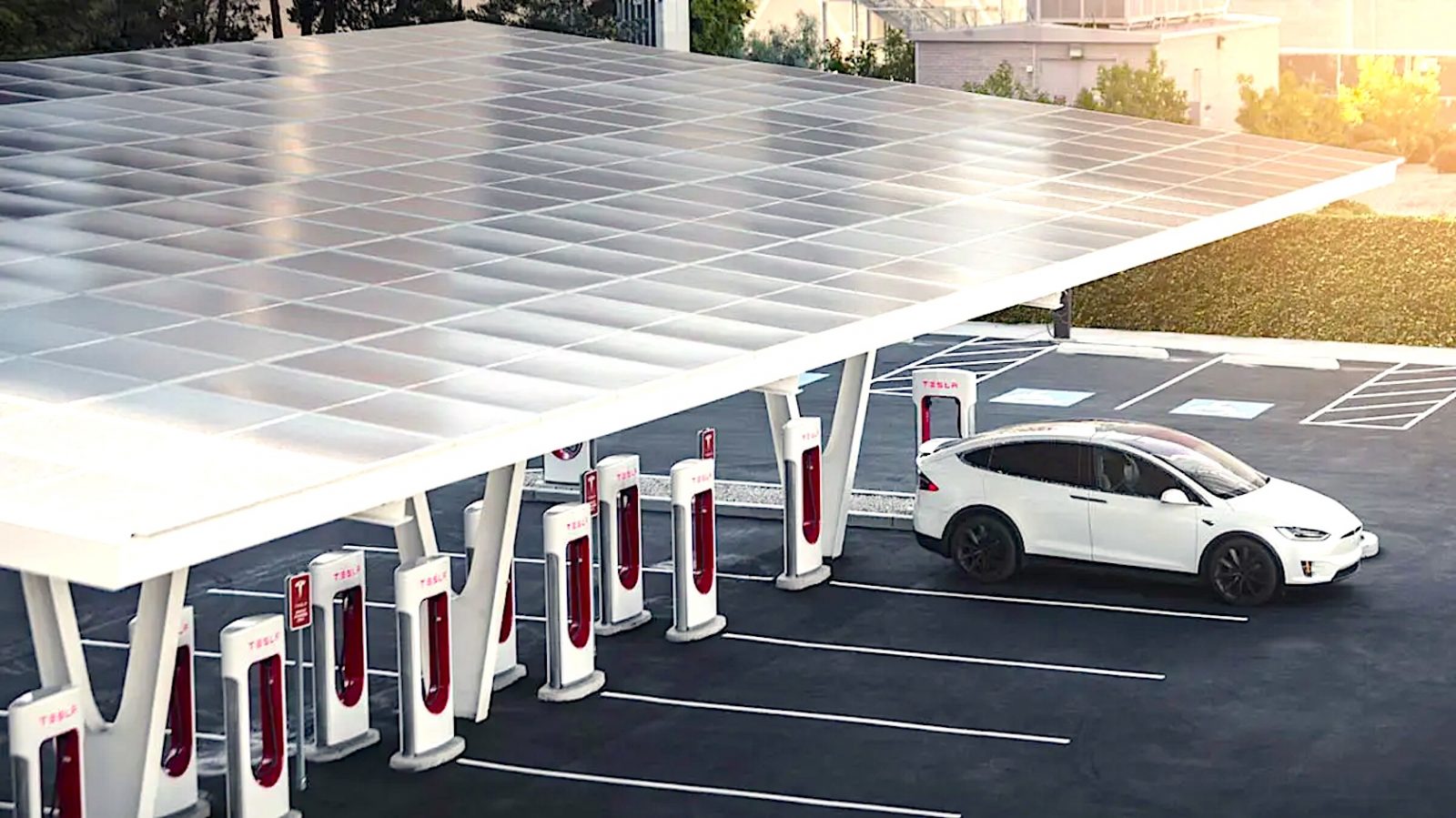
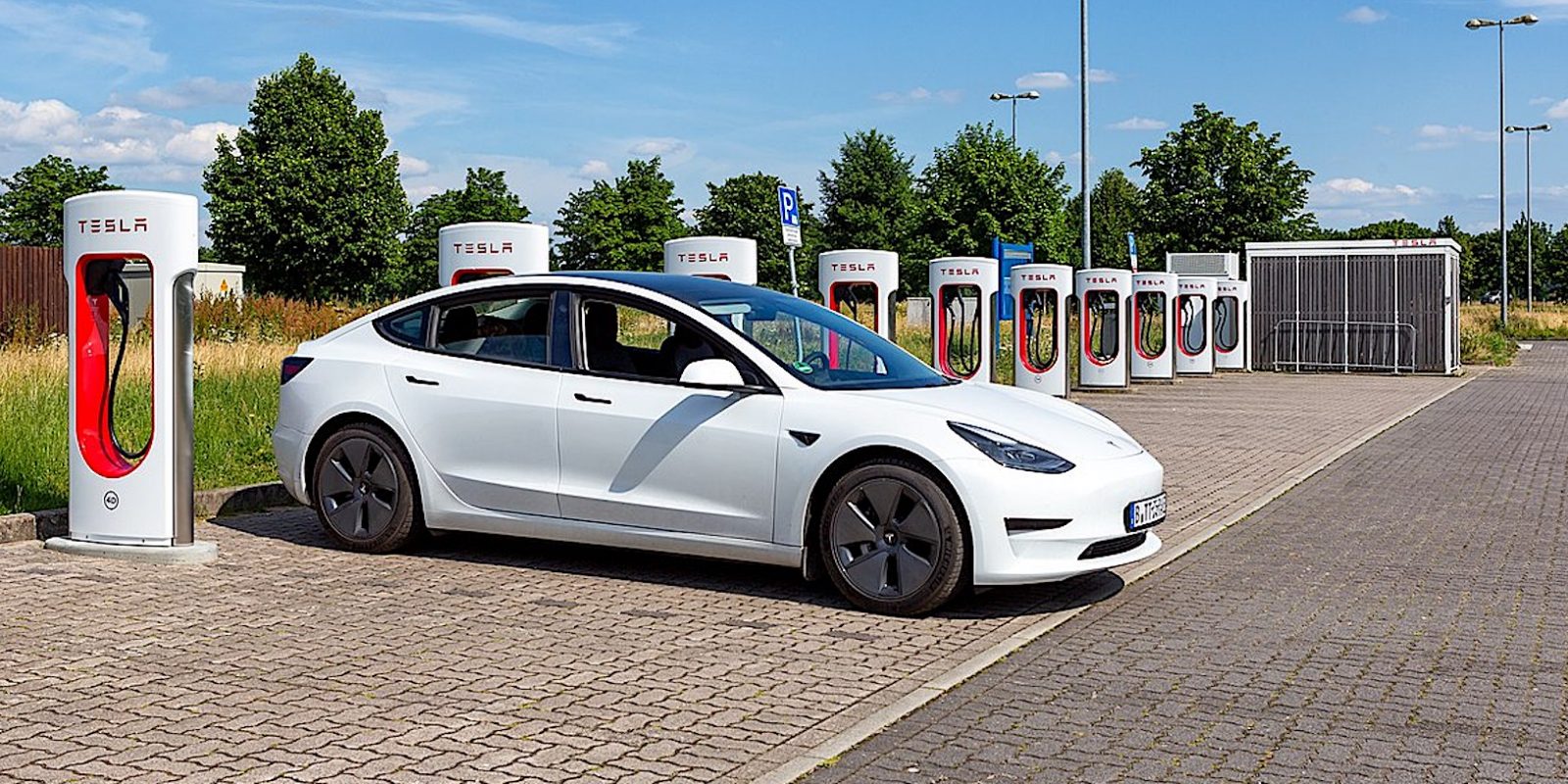
After researching available charging sites, it turns out that only eight of Tesla’s nationwide 1,400 Supercharger stations are open to non-Teslas so far. Specifically, six of them are in upstate New York, and only two are accessible in California, the country’s largest EV market. Such news kind of crushed the reality. Many thought that their regular trips to slowish charging stations was a thing of the past after hearing of Tesla’s philanthropic gesture. As many EV users know, Tesla’s Superchargers offer up to 250kW of charging capacity, meaning that a car can be charged from 10% to 80% in around 15 minutes.
The move to give EV users broader access to Tesla’s nationwide charging network is one way the Biden administration hopes to stimulate EV adoption. As of early March, Tesla has an estimated 17,500 Supercharger plugs across the United States. In addition to these fast-charging facilities, there are thousands more slower “destination” Tesla chargers at places like hotels, restaurants and convenience stores. These chargers can take anywhere from an hour to eight hours to charge a car.
To further enhance EV interest, the White House announced on February 15 that Tesla would make at least 7,500 of its fast chargers available to all EVs by the end of 2024. Our question is—why does it take that long? Why do EV users have to wait a year to get access to Tesla’s network? This network of course includes at least 3,500 plugs at new and existing 250-kW Superchargers. The remainder will be destination chargers.
Tesla also plans to double the size of its network by 2024, which will make it eligible for federal tax credits. At this rate, Tesla’s charging network will remain a competitive advantage for a long time.
OUR THOUGHTS
When Tesla announced that it would make its industry-leading Superchargers available to non-Tesla users, the whole industry jumped for joy. Why? Because the vast majority of non-Tesla fast chargers don’t get anywhere near the industry standard of 250kW, so getting access to such an advanced network would make the charging behavior of EV owners a fun place to be. It would give them more time with their families and relieve a whole lot of stress. But at present, only eight of Tesla’s nationwide 1,400 Supercharger stations are open to non-Teslas so far. Generously split, that translates as six in upstate New York, and two in California. If this is Tesla’s “guinea pig” stage, then we’d like to see them graduate from it, and offer their Supercharger service to a proper cross-section of EV users. And not just 8!