 Peter Lyon
April 17, 2023
Peter Lyon
April 17, 2023
- As it turns out, only ten EVs will qualify for the full $7,500 tax credit
- Seven models are eligible for the $3,750 partial credit, while nine previously eligible models no longer qualify
- BMW, Nissan, Genesis and Volkswagen no longer qualify for credits under new restrictions
Today, it’s all about tax credits. For those motorists hunkering after the latest news about which electric vehicles (EVs) are eligible for the $7,500 tax credit, or even the partial $3,750 credit, here are the most recent updates.
Of the EVs originally mentioned, nine previously eligible models would no longer qualify, according to a list released Monday.
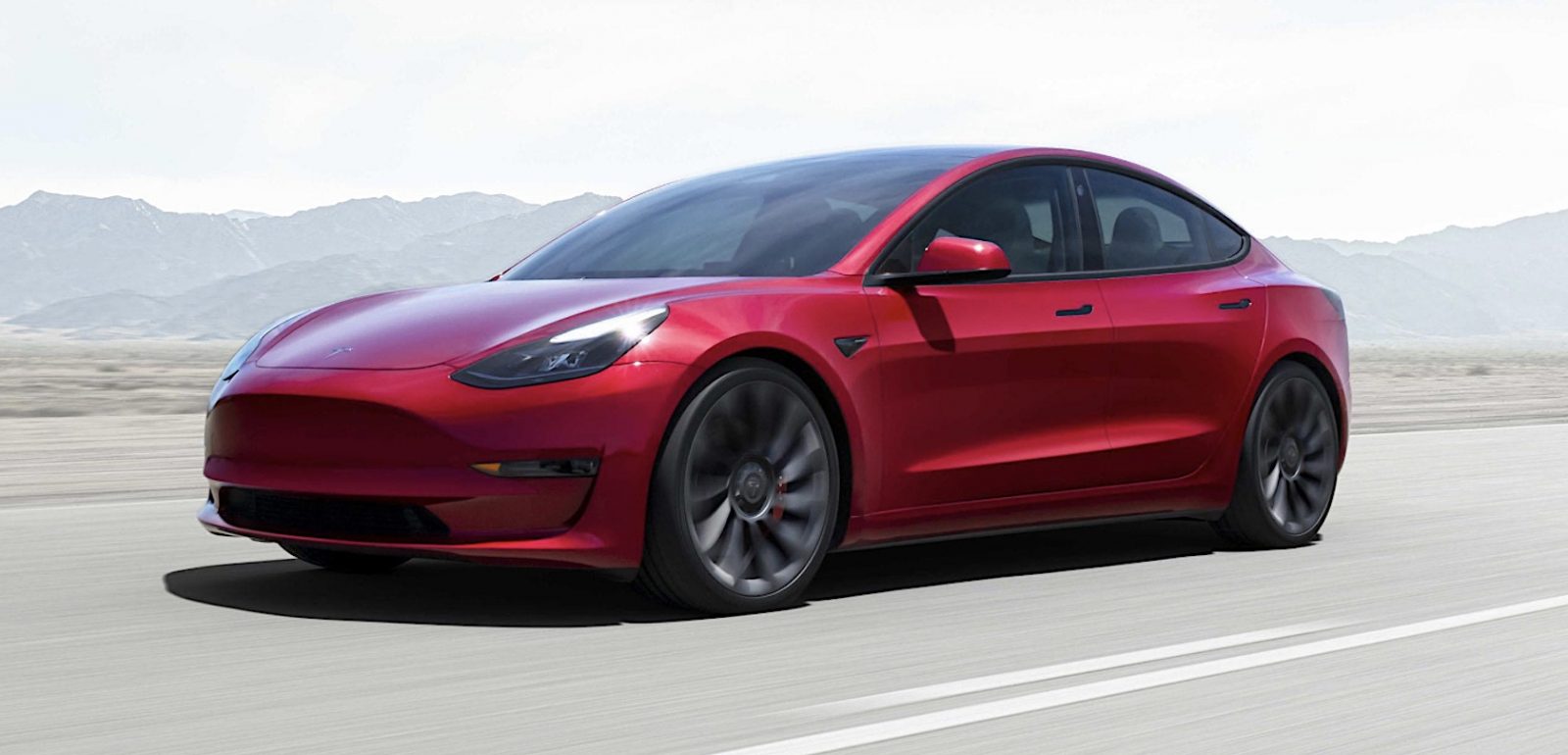
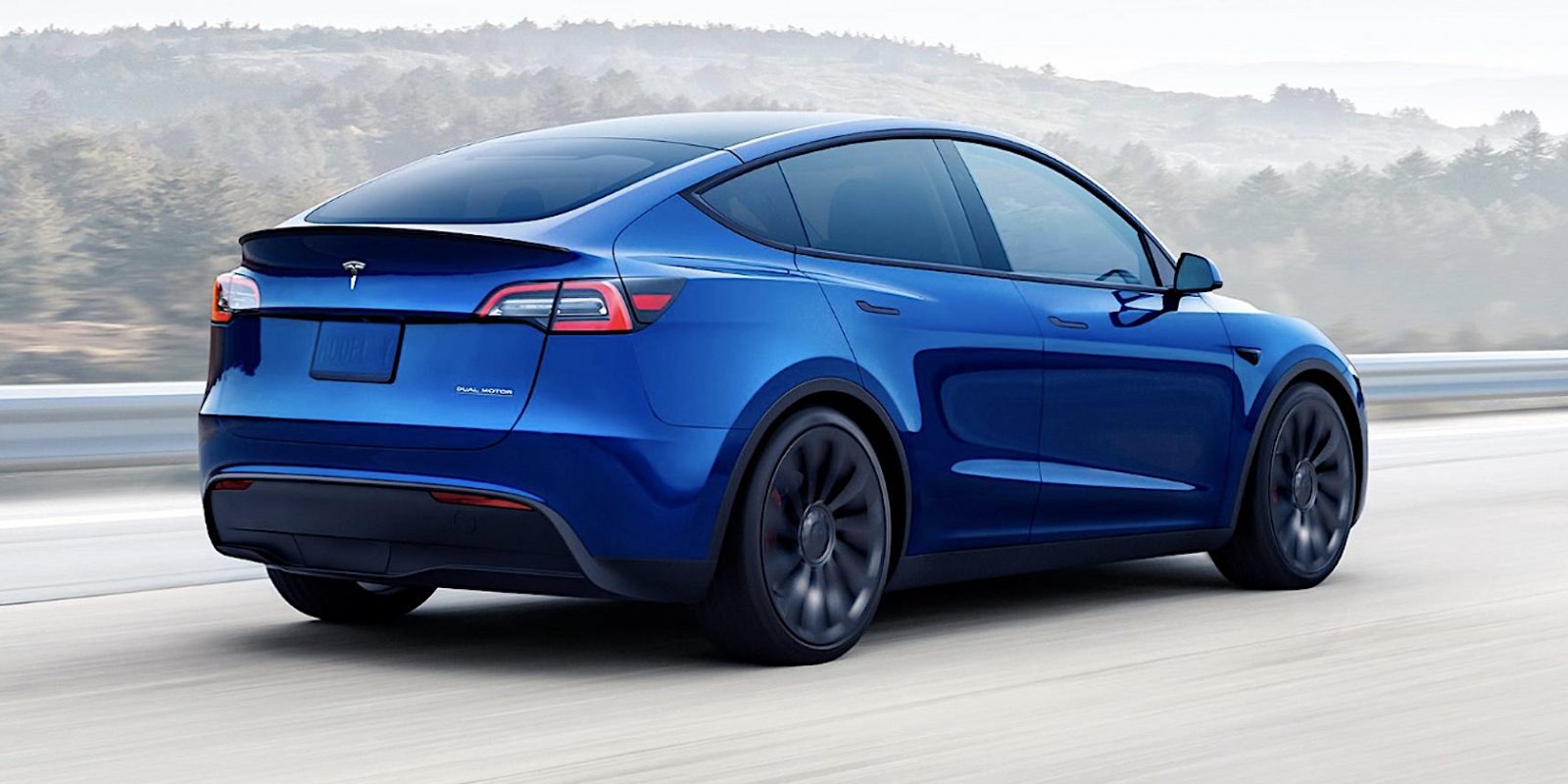
In fact, as it turns out, only ten EVs will qualify for the full $7,500 credit when increasingly stringent critical mineral and battery component sourcing requirements take effect on Tuesday. Those ten include the Tesla Model 3, Chrysler Pacifica Hybrid, Toyota Prius Prime, Kia Niro, Nissan Leaf, Honda Clarity, Mitsubishi Outlander PHEV, Volvo XC90 Hybrid, Porsche Panamera E-Hybrid and Jaguar I-Pace—which is strange as only half of those cars are actually fully electric vehicles. Meanwhile, the IRS says that the following vehicles will still be eligible for both credits. They include the Cadillac Lyriq, Chevy Bolt and Silverado EV, Ford F-150 Lightning, and Tesla Model Y among others.
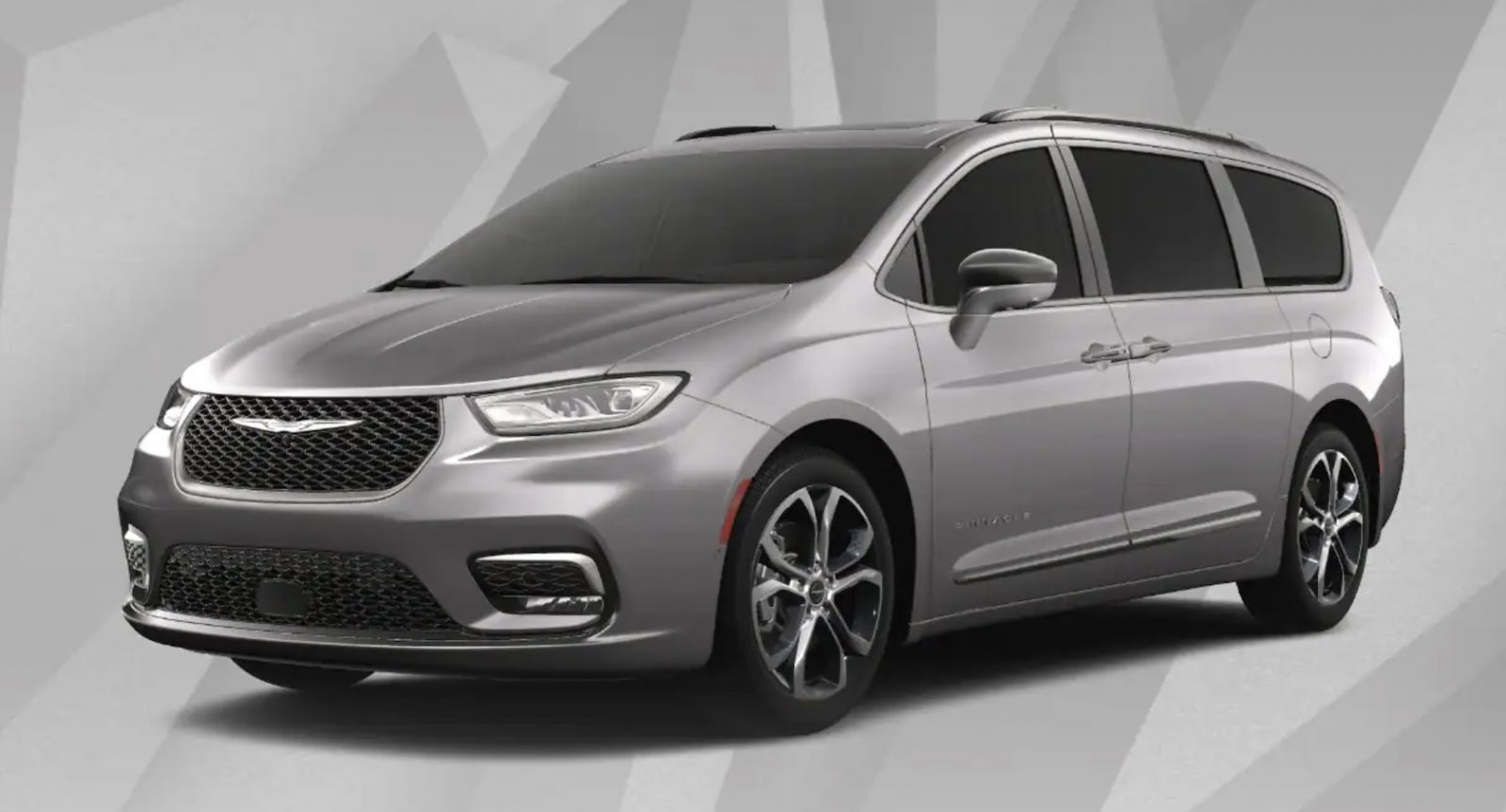
In contrast, seven models are eligible for the $3,750 partial credit under the tougher eligibility rules, while nine previously eligible models would no longer qualify, according to an updated list released Monday.
According to the Inflation Reduction Act introduced in 2022, motorists who meet previously determined income thresholds can receive a tax credit of up to $7,500 for North American-assembled EVs that also meet sticker price restrictions.
Beginning this week, the credit will be broken up into two parts, with $3,750 for EVs that have over 40 percent of the value of the battery’s critical minerals extracted or processed in the U.S. or in a country where the U.S. has a free-trade agreement. Then another $3,750 will be made available if at least half of the value of the EV’s battery components are made or assembled in North America.
As must be plainly obvious by now, the Biden Administration’s aim is to use the two taxes to incentivize automakers and their battery partners to continue ramping up U.S. production and keep manufacturing in the U.S.
In Q1 of 2023, nearly 65 percent of EV sales qualified for the credit under the North American assembly and sticker price requirements. More than 90 percent of those previously eligible first-quarter sales remain eligible under the EV battery sourcing requirements, the analysis found.
“Given the constraints of the legislation,” said John Bozzella, CEO of the Alliance for Automotive Innovation, “Treasury’s done as well as expected to produce rules that meet the statute and reflect the current market. March this year is as good as it’s going to get.”
International automakers like BMW, Nissan, Genesis and Volkswagen had all previously qualified for the tax credit, but none of their vehicles now qualify under the new restrictions. In contrast, Nissan and Hyundai have plans to manufacture EVs in the U.S., with the end goal being to create models that qualify for at least a partial credit.
Rivian’s electric pickups — R1S and R1T — were also deleted from the list of qualifying vehicles most probably due to their cost and parts issues.
It is unclear how the number of eligible vehicles might be further slashed next year when the EV battery sourcing rules toughen and additional exclusions take effect.
OUR THOUGHTS
Even though the eligibility clauses are still confusing, leaving many potential EV buyers confused or in the dark, at least we now have a definitive list of those EVs that are eligible and those which are not. Starting in 2024, vehicles are ineligible if they contain any battery components that are manufactured by a “foreign entity of concern,” which could well include companies controlled by China.