 Peter Lyon
January 30, 2026
Peter Lyon
January 30, 2026
Honda and DriveOhio, the smart mobility hub of the Ohio Department of Transportation (ODOT), have completed a first-of-its-kind pilot project demonstrating how real-time vehicle-generated data can detect and report road deficiencies. Conducted in collaboration with technology partners i-Probe Inc., Parsonsand the University of Cincinnati, the project verified the feasibility of an automated road condition management and reporting system to help state DOTs proactively optimize maintenance while reducing costs and creating safer roadways.
Under its global safety slogan “Safety for Everyone,” Honda tells us it is expanding its focus to include advanced safety and driver assisting technologies, efforts to enhance safety awareness to influence driver behavior and improve the traffic safety ecosystem by working with government, industry and community partners – including new initiatives such as the Proactive Roadway Maintenance System.
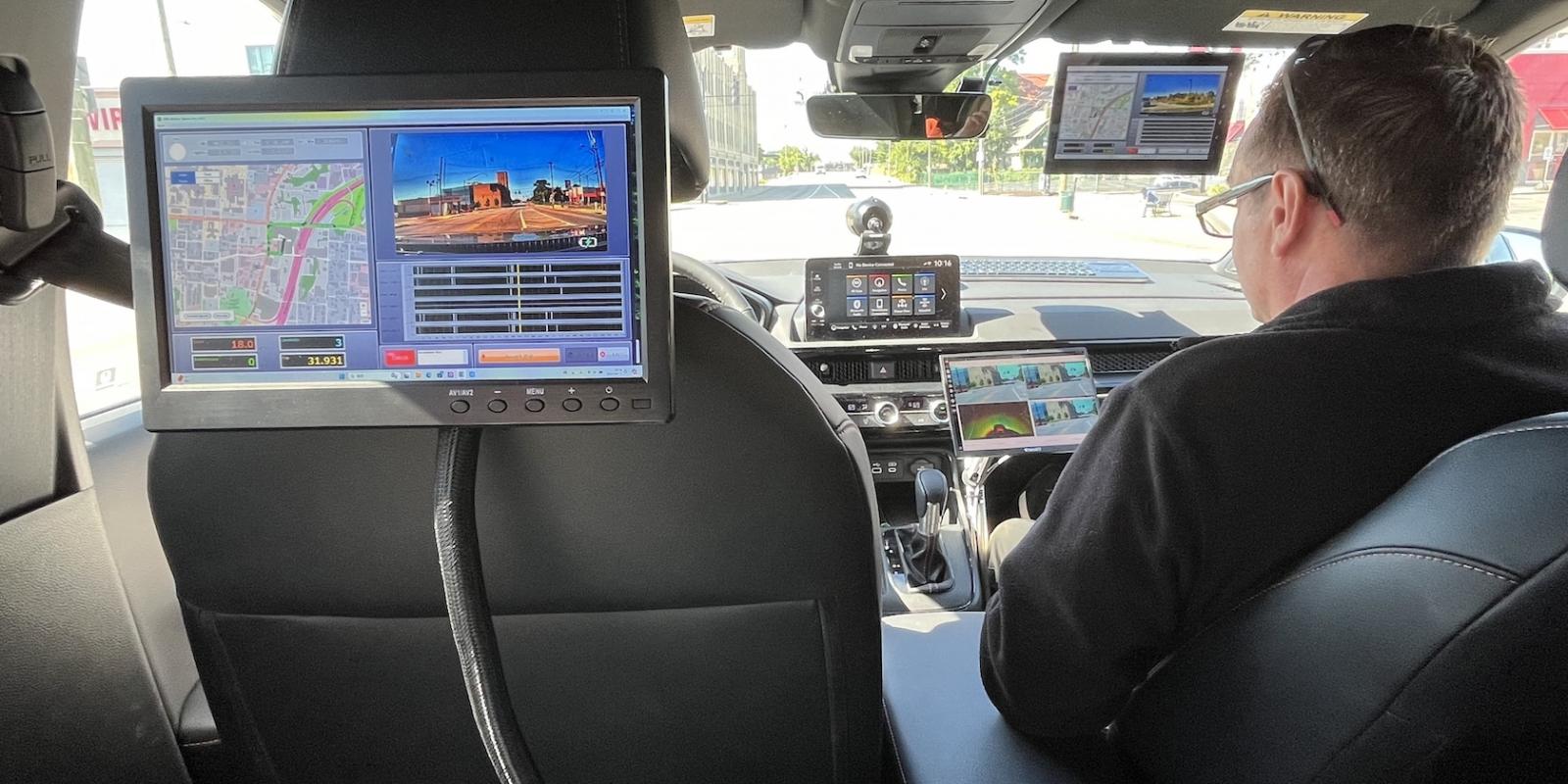
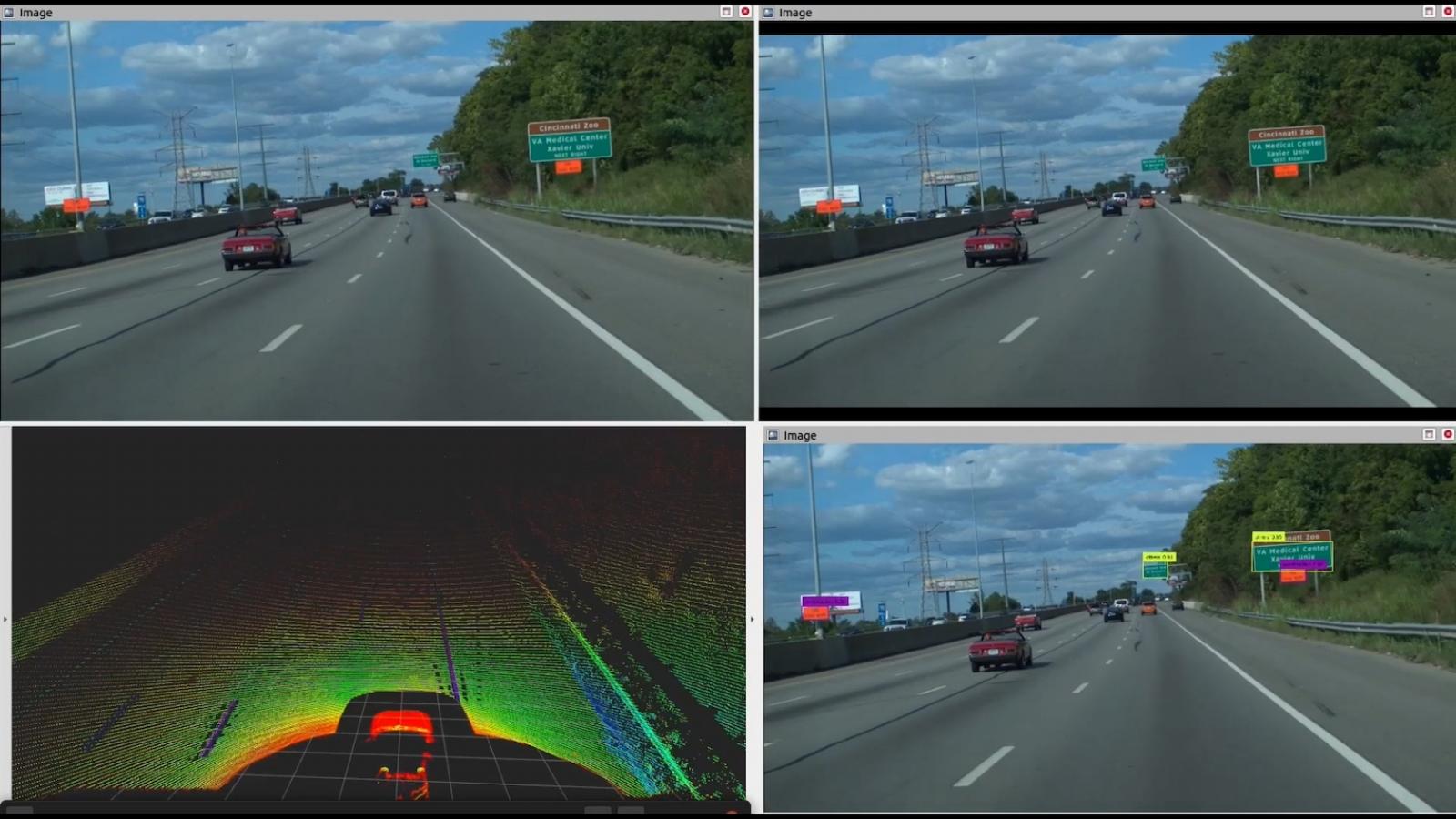
Honda has been advancing development of its prototype Proactive Roadway Maintenance System since 2021. During the pilot, ODOT team members drove Honda test vehicles equipped with advanced vision and LiDAR sensors to monitor approximately 3,000 miles of roads in central and southeastern Ohio. The vehicles operated under a wide range of real-world conditions, including multiple road types in rural and urban environments, varied weather, and different times of the day. The Proactive Roadway Maintenance System detected road conditions and infrastructure deficiencies, providing ODOT with actionable insights by identifying the following:
- Worn or obstructed road signs
- Damage to guardrails and cable road barriers
- Pothole development, including size and location
- Condition of shoulder drops, including the percentage and depth of drop off
- Insufficient roadway striping that affects the functionality of some driver-assistance features, such as lane-keeping assist functions
- Rough road quality, regardless of the vehicle’s age or condition
Pilot Results: Highly Accurate Detection of Road Deficiencies
The pilot program covered a total of approximately 3,000 miles. Results verified that automated detection with the Proactive Roadway Maintenance System achieved high accuracy for signs, guardrails and shoulder drop-offs, and delivered strong pothole detection across most road types:
- 99% accuracy for damaged or obstructed signs
- 93% accuracy for damaged guardrails
- 89% average accuracy for potholes
An AI feedback loop pipeline was built that enabled ODOT team members to flag misdetections, helping the system learn and improve over time.
CARLIST THOUGHTS
Insights from testing over approximately 3,000 miles showed that only a small percentage of roads had insufficient lane markings, suggesting that restriping schedules could be optimized. Vehicle sensor data also reliably measured road roughness levels and provided valuable insights for maintenance planning. The Proactive Roadway Maintenance System further detected high‑severity shoulder drop‑offs that were difficult to identify through routine visual inspection, successfully flagging these conditions across approximately 3,000 miles of roadway.