 Peter Lyon
December 2, 2022
Peter Lyon
December 2, 2022
- According to a university study, dogs riding in diesel cars show greater signs of restlessness and car sickness than in EVs
- Dogs are less nauseous in EVs—this was demonstrated by changes in behavior and the fact that their heart rates were reduced by up to 30% when traveling in an EV.
- To keep their pets calm, nearly half give treats to encourage them to get in the car, while 46% put a toy or blanket in the car
Who’d have guessed? Dogs can chill better in EVs than diesel cars. In a first-of-its-kind study, the University of Lincoln and CarGurus has revealed that dogs are more relaxed in electric vehicles than in diesel cars.
The CarGurus Dogs and EVs Study, which has been submitted for publication in an international scientific journal, was commissioned to investigate the effects of traveling in EVs versus diesel cars on dog behavior and welfare.
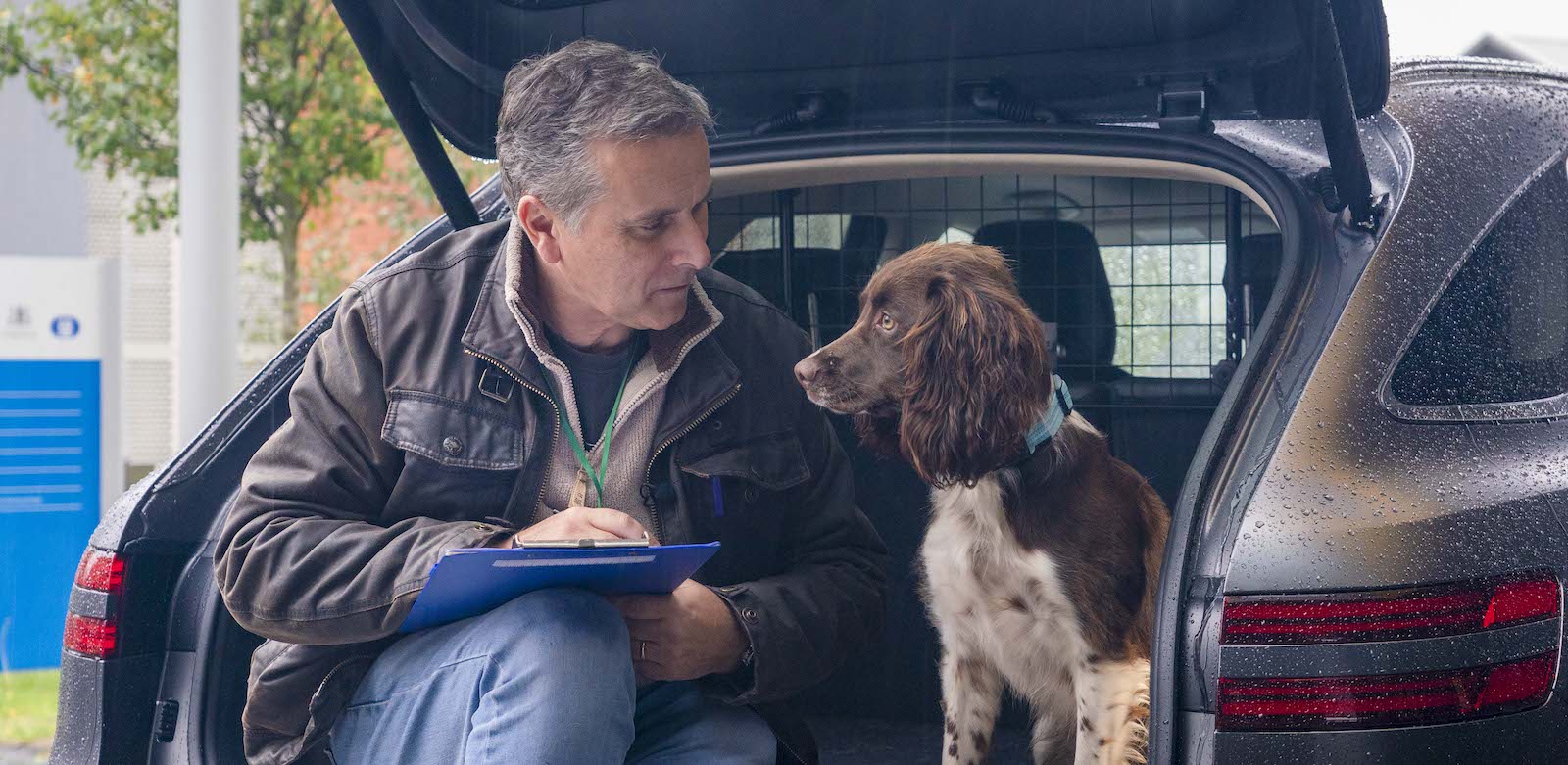
CarGurus and the University of Lincoln carried out the two-day study using 20 dogs. Each dog was taken on two 10-minute journeys, one in an EV followed by the same route in a diesel. Then a variety of scientific measures were used to analyze the dog’s behavior.
Led by Daniel Mills, Professor of Veterinary Behavioral Medicine at the University of Lincoln, the study not only found that dogs were less settled in diesel cars compared with EVs, but those dogs appeared to show signs of car sickness in diesels. In the EV however, those symptoms were significantly reduced.
The study concluded there was no evidence to suggest EVs have a detrimental effect on dog welfare. This resolves anecdotal concerns that the lack of vibration and noise experienced in an EV may cause dogs to be unsettled or have increased car sickness.
In fact, the findings showed the transition from internal combustion engine (ICE) to EVs for dogs was a smooth one.
While the dogs in the study lay for around a third of the journey’s duration regardless of powertrain, in diesel cars dogs stood up and became more restless on average 50% more than when in an EV. Professor Mills states this is likely the result of differences in noise and vibration in the two types of cars.
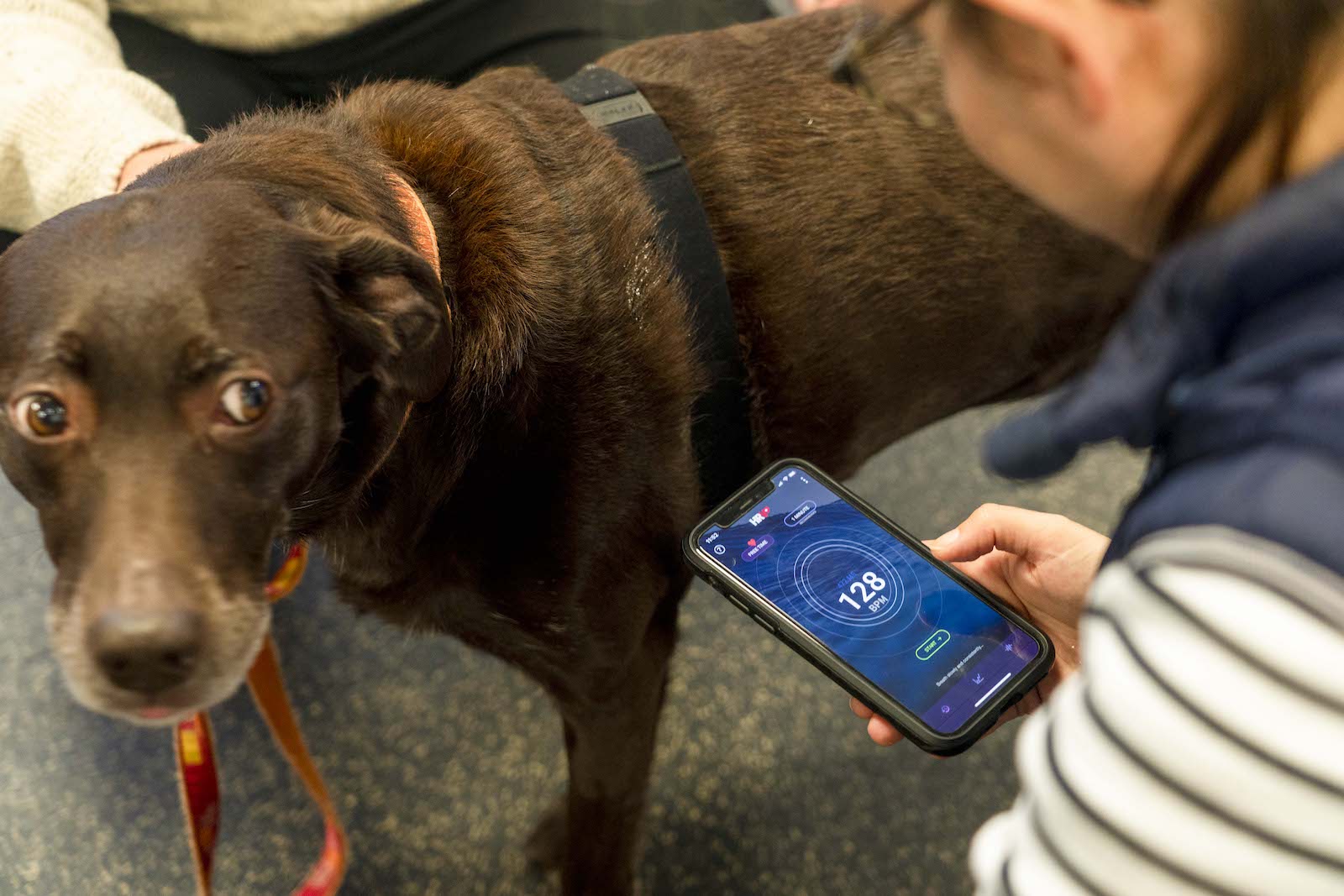
Another notable finding from the study was that a small number of dogs appeared to feel markedly less nauseous in an EV compared to a diesel car. This was demonstrated by changes in behavior and the fact that their heart rates were reduced by up to 30% when traveling in an EV.
The study also uncovered that many dogs seemed to enjoy the motion of cars. With a higher heart rate linked to motion sickness, data revealed that heart rates in two-thirds (66%) of the dogs went down as a result of travel in both diesel cars and EVs.
Daniel Mills, Professor of Veterinary Behavioral Medicine, University of Lincoln, said, “We know most dogs will travel in a car at some point in their life, if not on a daily basis. Yet as EVs become more prevalent with motorists until now there were no studies of their effect on dogs.”
“Our results clearly show that dogs seem to be more relaxed in EVs.”
CarGurus carried out further research with dog owners regarding their pets’ behaviors when traveling.
Overall, owners said their pets most commonly suffered from over-excitement (58%), anxiety (48%) and nausea (44%) when traveling in the car. However, the participants that have driven their dogs in both an ICE and EV vehicle said they settled better (39%), were calmer (43%), less anxious (42%), and whined less (45%) in an EV compared to an ICE.
Lastly, the research also looked at how dog owners try to keep their pets relaxed in the car. Nearly half (47%) give treats to encourage them to get in the car, 46% put a toy or blanket in the car, 36% go on drives in the car to get them used to traveling and 36% play relaxing music.
OUR THOUGHTS
This is a refreshing study and one that dog owners should enjoy. Nearly all dogs will travel in a car at some point in their life, if not on a daily basis. Yet as EVs become more prevalent, until now there were no studies of their effects on dogs. But when you think about vibration and noise from diesels and the lack of those in EVs, and how they can affect a dog’s behavior, these results come as no surprise really. According to dog experts, to further help calm dogs down in cars (whether it’s an EV or a diesel), we should reward appropriate behavior with treats or soothing praise, restrict an excitable dog’s vision of the passing traffic, or use a calming pheromone like Adaptil to help settle the dog. Other suggestions include taking your dog to a range of different places so the outcome of the car journey is not predictable.