 Peter Lyon
January 17, 2023
Peter Lyon
January 17, 2023
- Fact: EV chargers are easier to find in whiter, wealthier neighborhoods nationwide
- In Philadelphia, for example, majority-white tracts are 3.9 times as likely to have a charging station, whereas, in San Francisco, things are pretty much even.
- Fact: The average EV sold for $61,448 in December, putting them outside many car buyers’ budgets
It’s common knowledge that automakers and lawmakers are pushing electric vehicles harder than ever as cleaner alternatives to traditional internal combustion engine cars. They’ve been doing that for the past two years, and then some.
But one irrefutable truth remains—EV chargers are easier to find in whiter, wealthier neighborhoods nationwide, according to an Axios study.
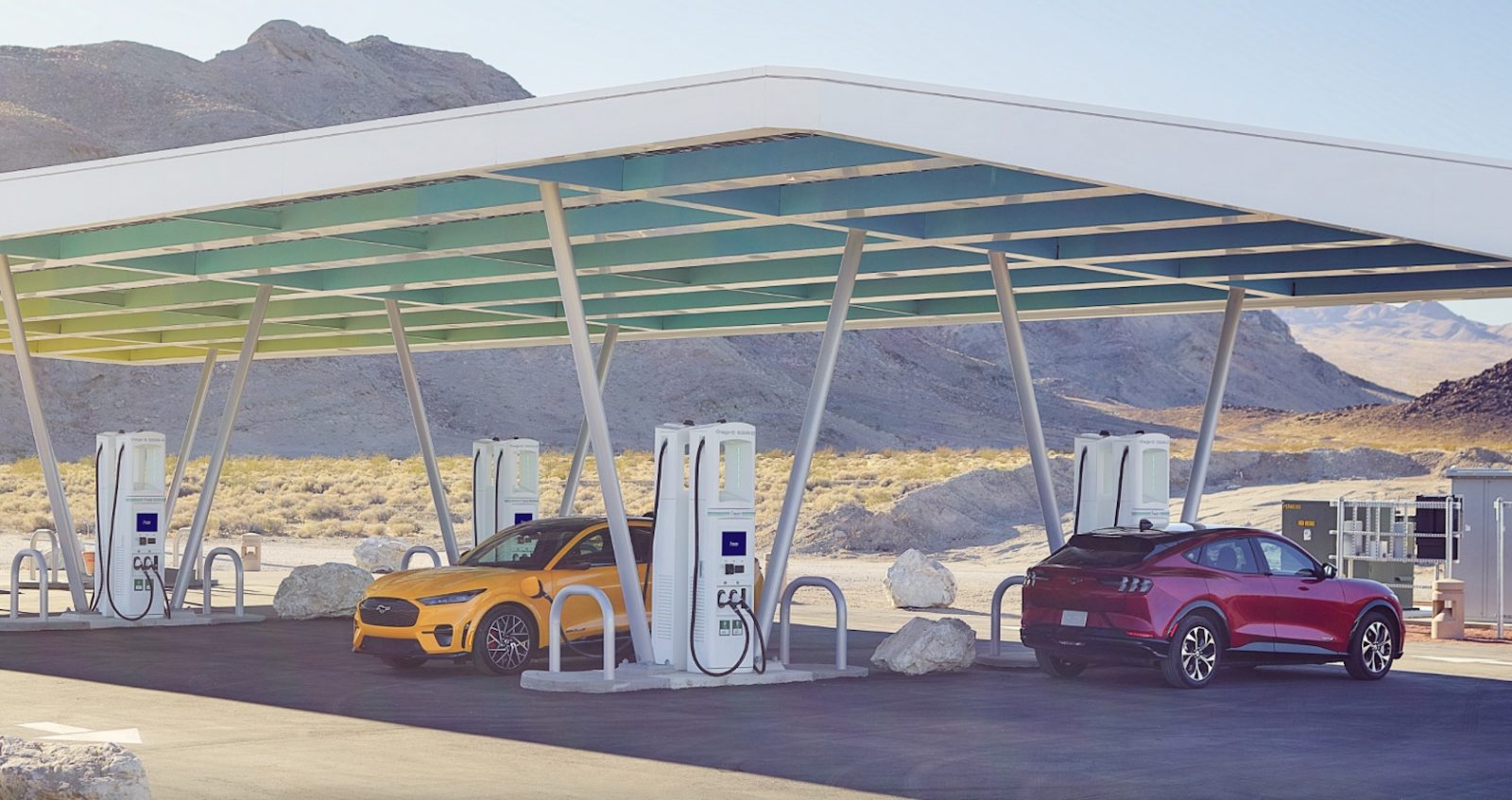
What that means is that charging infrastructure inequities threaten to limit who gets to enjoy the benefits of the generational transition away from internal-combustion engines, such as cleaner air, lower long-term costs, and fun driving.
Concerns over charging availability are one of the biggest holdups preventing more people from buying electric cars—along with high EV prices compared to their gasoline rivals.
Let’s check out some of the numbers. Majority-white regions are about 1.4 times as likely as majority-non-white tracts to have a quick charger, while tracts with chargers are about 1.14 times as wealthy as those without them, according to our analysis of the 35 U.S. cities with the highest share of EV sales nationwide.
Racial disparities around charging access are particularly pronounced in certain cities and metro areas.
In Philadelphia, for example, majority-white tracts are 3.9 times as likely to have a charging station. In Chicago, they’re 2.8 times as likely, and in New York, they’re 2.6 times as likely. In contrast though, in each of those cities, majority-white tracts are about as likely to have a gas station as majority-non-white tracts.
In reality, though, charging inequities are less pronounced in other parts of the U.S. In San Francisco (a major hub for EV ownership), Dallas, and Portland, for instance, chargers are as common in majority-white tracts as they are in other neighborhoods.
This study’s analysis relied upon EV market share data from S&P Global Mobility and charger location information from the U.S. Department of Energy. But make no mistake, charging is only one roadblock when it comes to electric car equity.
Price is also a major concern. The average EV sold for $61,448 in December, according to Kelley Blue Book, putting them outside many car buyers’ budgets. This is despite the fact that they’re generally cheaper to operate over the long run and government incentives can reduce out-of-pocket costs.
Wanting to address the EV charging disparities between regions, the federal government is aiming to curtail some of these inequities under a program that proposes to pump $5 billion into a nationwide EV charging network and provides another $2.5 billion in grants for “community-based” charging infrastructure.
The Biden administration says 40% of the benefits of these investments are supposed to go to “disadvantaged communities” — by providing jobs, cleaner air, and hopefully, more chargers.
OUR THOUGHTS
Why was I not surprised to come across this news? Even though the numbers suggest that majority-white regions are about 1.4 times as likely as majority-non-white tracts to have a quick charger, I’d bet a fiver that this number is in reality higher—at least twice as likely! But at the end of the day, for people—whether they come from white or non-white areas—to make the switch to EVs, prices of the cars have to come down. I mean, with an average EV price hovering at $61,000, such a fee is out of the reach of over 70% of the population.