 Peter Lyon
January 6, 2026
Peter Lyon
January 6, 2026
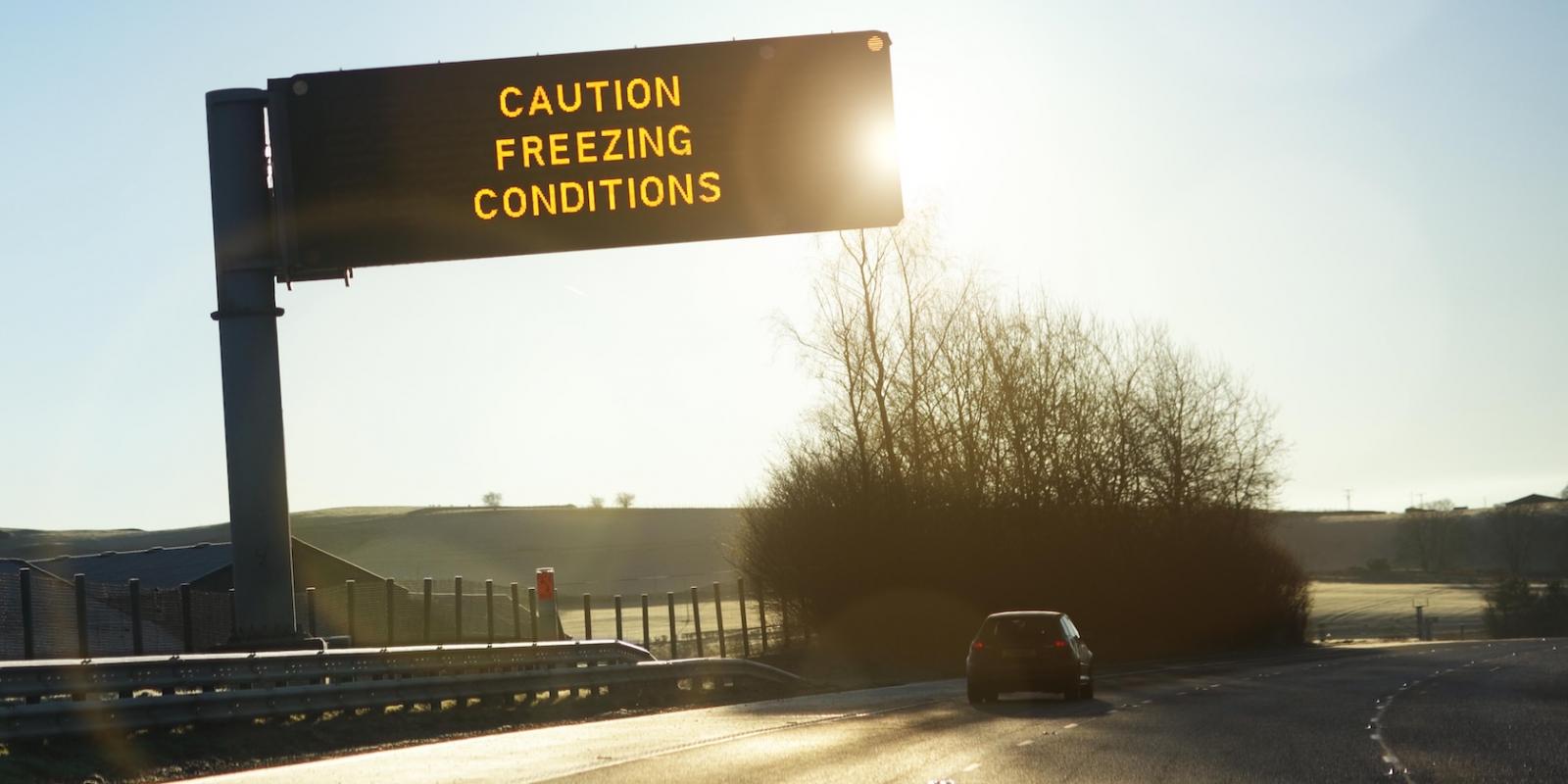
Established in 1932, British road safety and breakdown organisation GEM Motoring Assist is urging drivers to prepare their vehicles now to avoid cold weather breakdowns. A chilly start to 2026 has brought widespread freezing weather and Met Office warnings for snow and ice lasting throughout the coming week. Schools in the north have been closed for the last couple of days due to the extreme cold weather.
According to GEM, freezing weather slows everything down, including the chemical reactions that power your car battery. In freezing conditions a battery can lose around 35% of its performance, even though every modern vehicle relies heavily on electrical systems. Headlights, heaters, wipers, and in-car technology all add to the demands placed on the battery.
EVs suffer too
Drivers of electric vehicles should know that their cars are not immune to the effects of cold weather. Low temperatures slow battery chemistry in electric cars, reducing the range available from a full charge. Using the heater and defrosters adds to the drain. For example, in extreme cold, you can park your car at night with 300km of range left in the battery, and wake up to 200km.
GEM head of road safety James Luckhurst says simple precautionary checks can save drivers a lot of trouble. “Cold weather puts real strain on a car’s 12-volt battery, and its ability to hold charge drops significantly as temperatures fall,” he explained. “That means it’s often at its weakest just when you need it most.
“Batteries rarely last beyond five years, so if yours is getting old, don’t wait until it fails. A quick check or replacement now could save you the inconvenience – and potential danger – of being stranded at the roadside.”
Listen out for the signs of failure:
- The engine struggles to turn over, or you hear a low whirring sound when starting.
- You hear no sound at all, which may point to a complete loss of charge or a poor connection.
- Your remote central locking or key fob doesn’t work, which could indicate a flat battery.
What to do if your car won’t start
- If you have access to a second vehicle and a set of good-quality jump leads, you may be able to jump-start your car. Do check the owner manuals for both vehicles to ensure how this can be done without causing damage.
- Once the engine is running, keep both vehicles idling for a few minutes before carefully disconnecting the jump leads.
EV battery tips
- Ensure your vehicle is fully charged before long trips.
- Make use of pre-conditioning features that warm the cabin and battery while the car is still plugged in
- Allow extra time and charge for journeys during sub-zero conditions.
CARLIST THOUGHTS
GEM reminds drivers that prevention is always better than cure. “Many garages and automotive centres offer free battery health checks, which can tell you if your battery is charging and holding power safely,” added James Luckhurst. “With freezing weather forecast to continue into next week, it’s well worth taking a few minutes now to check, before you’re left out in the cold.”