 Peter Lyon
January 5, 2026
Peter Lyon
January 5, 2026
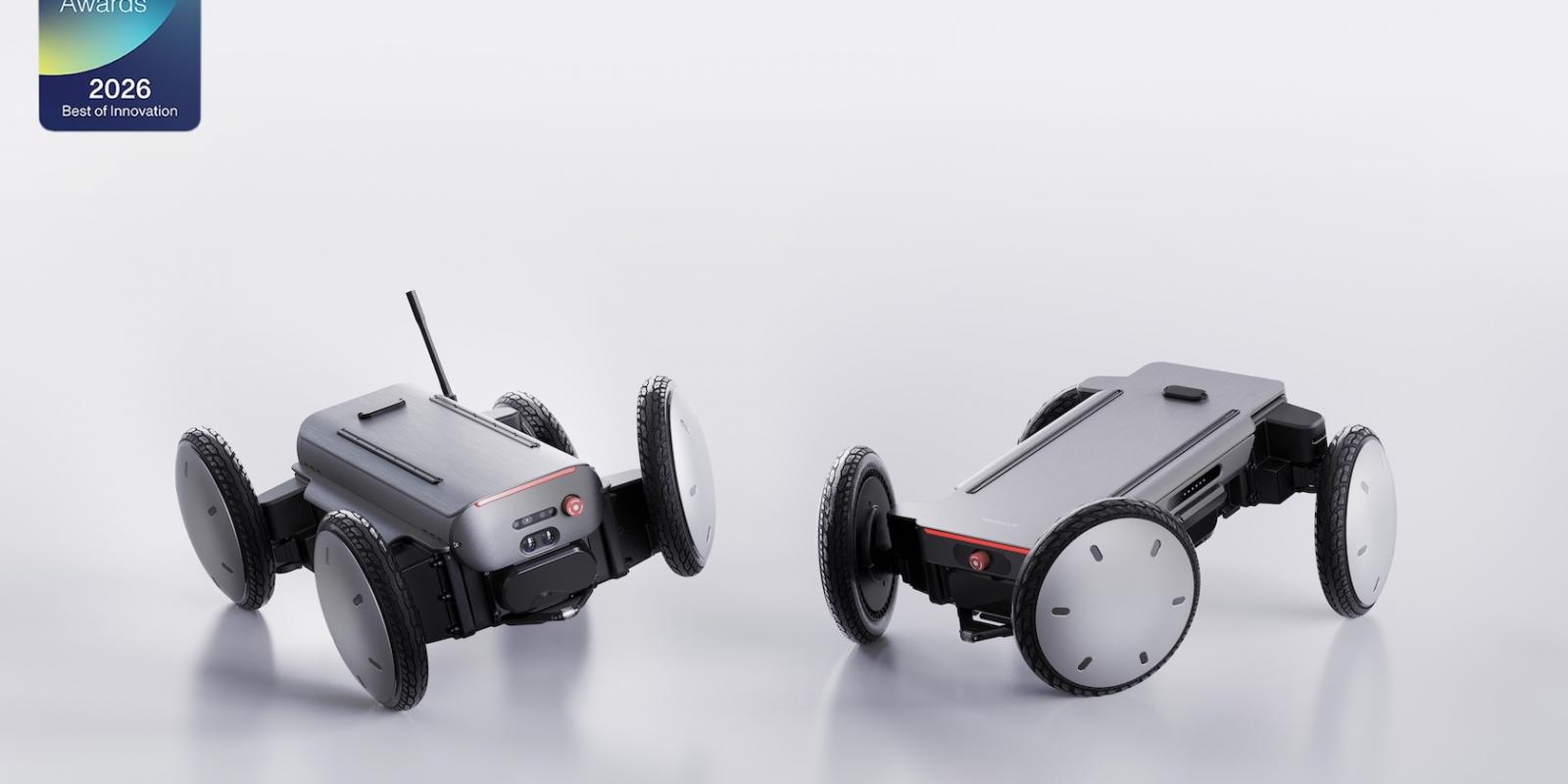
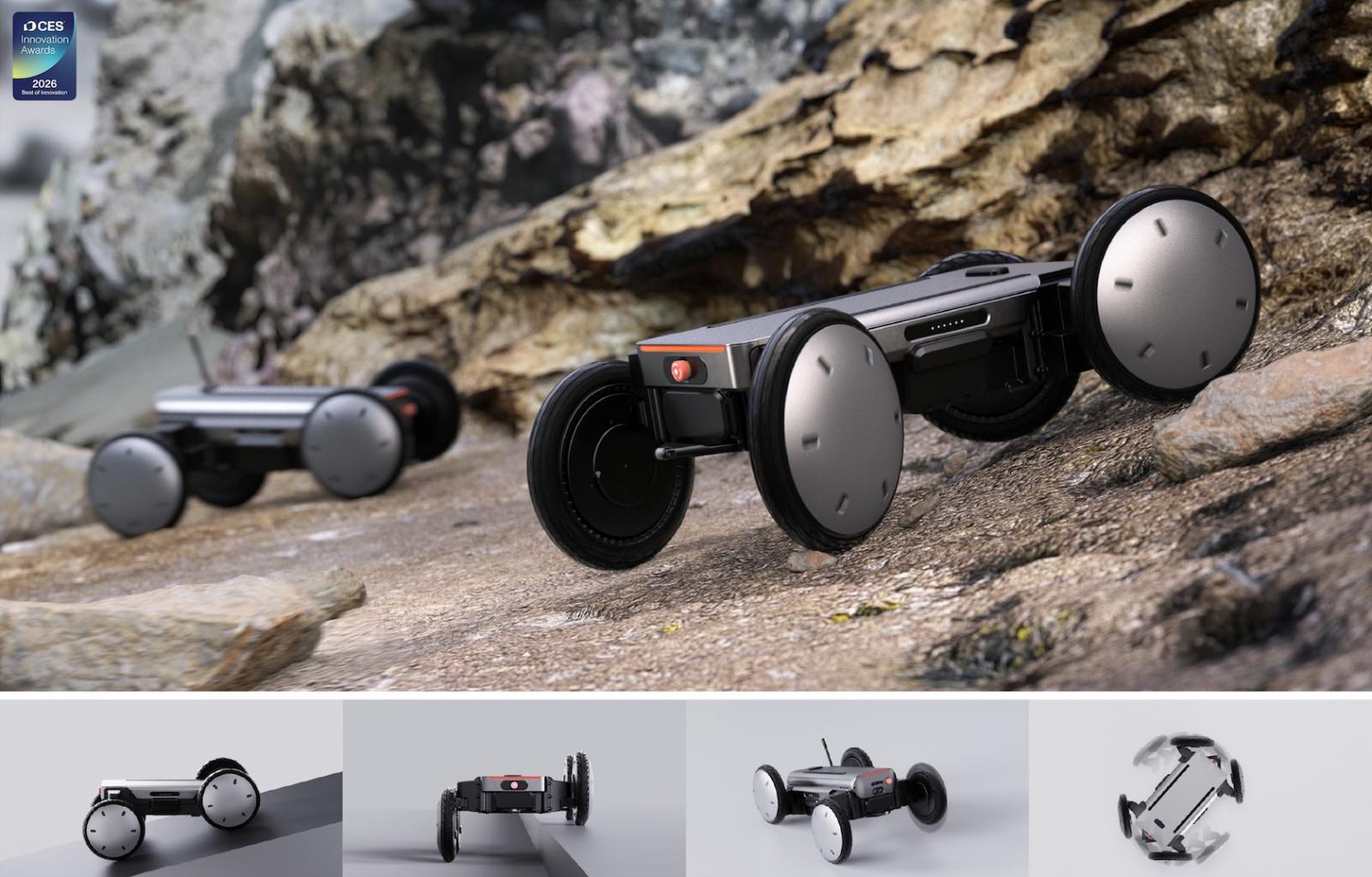
With CES 2026 due to officially start on January 6, Hyundai Motor Company has just won the Best of Innovation Award in Robotics for MobED (Mobile Eccentric Droid), an innovation developed by Hyundai Motor Group’s Robotics LAB. This recognition highlights the Group’s advancements in robotics technology and its commitment to redefining mobility solutions.
This is the first time Hyundai has received the prestigious Best of Innovation award.
The CES Innovation Awards program celebrates outstanding products for their achievements in design, innovation and engineering across various categories. The Best of Innovation Award is reserved for the top-rated product in each category, making this accolade a significant milestone for the Group.
Dong Jin Hyun, Vice President and Head of Hyundai Motor Group’s Robotics LAB said, “Winning this prestigious award reinforces our commitment to advancing robotics solutions that enhance everyday life. It is particularly significant to see MobED evolve from its debut as a concept at CES 2022 to receiving this accolade as a mass-production-ready platform.”
Unveiled at the International Robot Exhibition 2025 (iREX 2025) in Tokyo, Japan, in December 2025, MobED is a versatile mobility platform designed to operate across various terrains and adapt to diverse industrial and daily applications. It incorporates the Robotics LAB’s proprietary Drive and Lift (DnL) technology, enabling stable performance on uneven surfaces, inclines and curbs, even in challenging environments.
Available in two models — MobED Basic and MobED Pro — the platform meets a broad spectrum of needs. The MobED Basic model is controller-operated, offering flexibility for research and development, while the MobED Pro model harnesses advanced autonomous capabilities powered by integrated LiDAR-camera fusion sensors, ensuring precise and seamless navigation.
Hyundai says that the MobED features a simple design characterized by restraint and balance, focusing on the core functionality of the mobile platform, equipped with AI-based algorithms and autonomous driving technology, and supports a wide range of applications, including logistics, broadcasting, guidance services, and digital signage, due to its modular design that accommodates diverse top-mounted modules. Mass production for both models will commence in early 2026.