 Peter Lyon
September 19, 2025
Peter Lyon
September 19, 2025
Ever since the screaming V8 engines disappeared from F1 in 2013, motorsport fans have longed for the return of the spine-tingling wail of naturally aspirated 8-cylinder powerplants. The hybrid V6 turbo era, introduced in 2014, has undoubtedly advanced F1’s technological frontier, but it has also left many fans yearning for the visceral soundtrack and simplicity of the past. Now, with new discussions among the FIA, Formula One Management (FOM), and engine manufacturers, the concept of V8 engines returning to the grid in 2031 is gaining momentum.
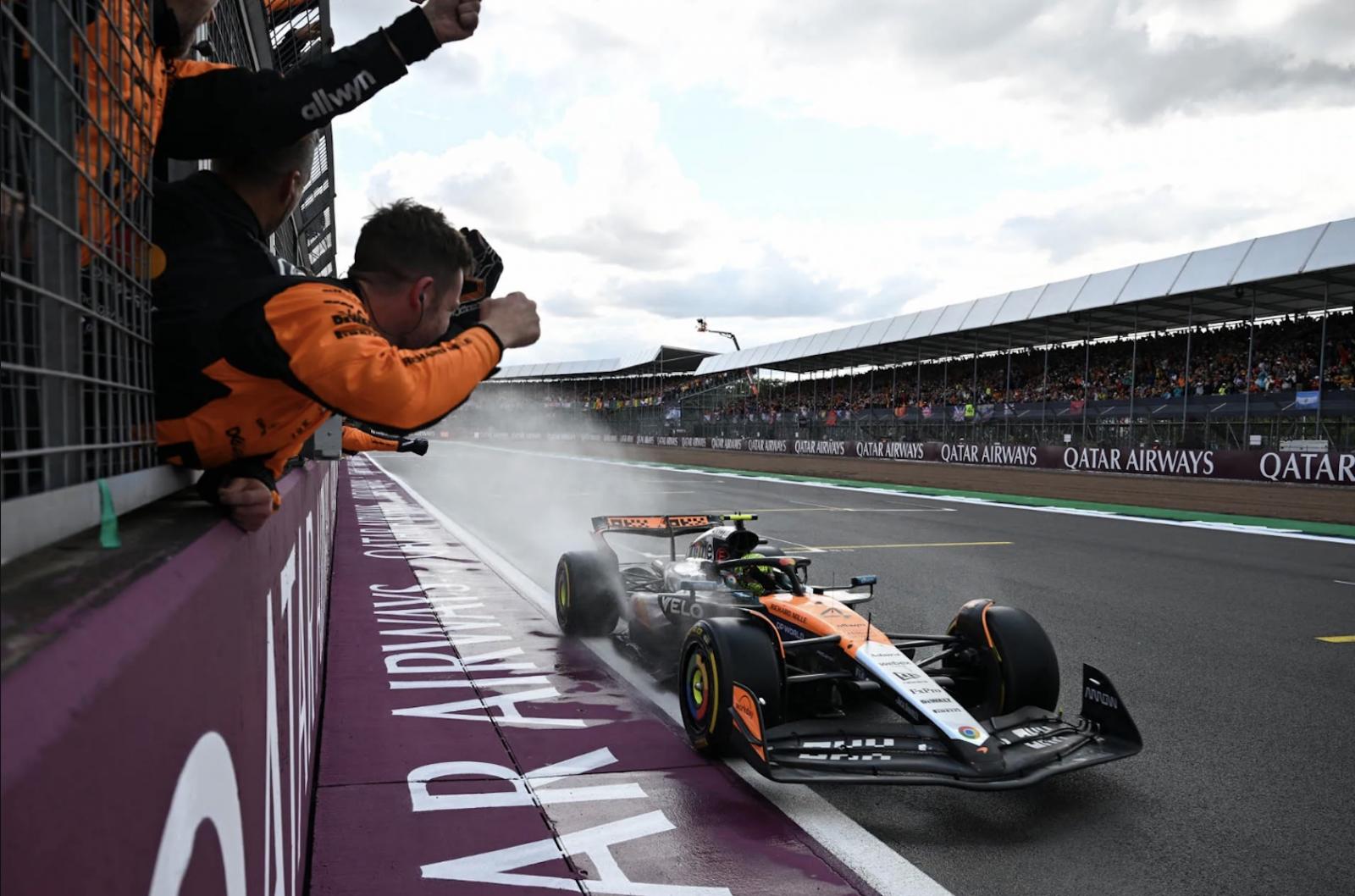
The proposal, aiming initially for as early as 2029, has now been pushed back to 2031 due to a lack of consensus among stakeholders. Instead, this issue is evolving into something that merges the beloved qualities of the past with the sustainability and innovation F1 demands for its future.
At the heart of the plan is a hybrid V8 engine designed to run on 100% sustainable fuels. Because that’s the only way that V8s could be brought back. Rather than a wholesale step back in time, this unit would be a modern interpretation of the 2.4-liter V8s that powered F1 cars between 2006 and 2013. The engine would produce around 880 horsepower, rev up to 16,000 RPM, and incorporate a Kinetic Energy Recovery System (KERS). The result: a package that is simpler, cheaper, lighter, and, crucially, louder and tuned to excite human eardrums and hearts more than the current complex turbo-hybrids.
Cost reduction and elevating thrill levels are the two main drivers of the V8 proposal. Current and upcoming V6 turbo-hybrids are not only intricate but extremely expensive, requiring vast resources to develop and maintain. Early estimates suggest that a V8 hybrid unit could cut costs by as much as 60–65% compared to the 2026-spec power units. For independent teams and potential new entrants, such a reduction could be transformative, making Formula 1 a more financially accessible sport.
A V8 return would also help F1 reconnect with a large section of its traditional audience, who often cite the sound and raw feel of the V8 era as a golden age.
But the path to 2031 is far from straightforward. While Ferrari and Mercedes are reportedly open to the idea—Ferrari for its heritage and fan base, Mercedes for its competitive engineering culture—other manufacturers are more cautious. Audi, for example, which will enter F1 in 2026, has based its entire program on the advanced hybrid technology of the new V6 units. To pivot toward a less complex V8 concept just a few years into its involvement could undermine its long-term strategy. Similarly, Honda and other stakeholders may resist a move that appears to step away from the cutting-edge electrification narrative that has defined F1 in recent years.
Sustainability is another pillar of the debate. The 2026 regulations will already introduce fully sustainable fuels, aligning with F1’s target of becoming Net Zero Carbon by 2030. The V8 proposal would continue this trajectory, ensuring that any return to a larger, naturally aspirated format would not contradict the sport’s environmental commitments. However, the balance between hybridization and simplicity remains delicate. Too little hybrid tech risks accusations of regression; too much, and the cost and complexity savings could be lost.
CARLIST THOUGHTS
Another variable is how the 2026 regulations will play out. If the new turbo-hybrids prove successful—delivering close racing, competitive balance, and technological relevance—the appetite for a fundamental shift in 2031 may diminish. On the other hand, if fans remain unsatisfied with the spectacle or if costs spiral further, momentum behind the V8 proposal could grow stronger. For now, discussions continue behind closed doors between the FIA, FOM, and the manufacturers. The aim is to secure an agreement that balances performance, cost, sustainability, and brand relevance. Ensuring that every stakeholder, from legacy giants like Ferrari to new players like Audi, feels invested in the formula will be the greatest challenge.