
 Peter Lyon
March 20, 2026
Peter Lyon
March 20, 2026
Just how much the repercussions will worsen over the next few weeks in the Persian Gulf is anyone’s guess. Right now, from Tehran to Dubai to Doha, Bahrain and Kuwait, thick, black plumes of smoke rise from bombed refineries.
As the conflict in and around Iran intensifies, the world’s most critical energy artery—the Strait of Hormuz—has effectively been severed. With 20% of the global oil supply trapped in the blockade, the price of a barrel of crude has skyrocketed to $110.
This is not just a military engagement; it is a global economic earthquake, with the epicenter at the gas pump.
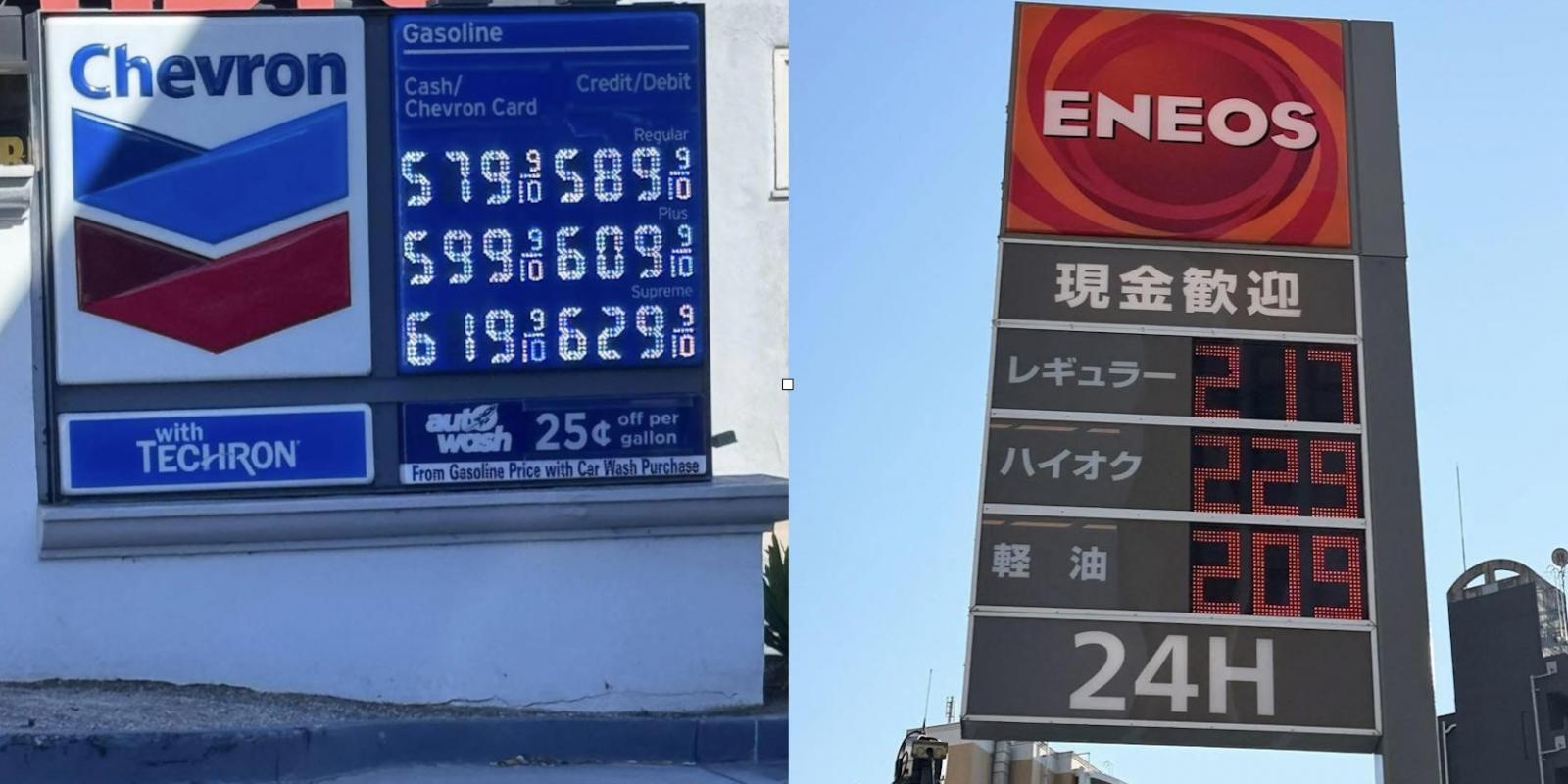
In the United States, the psychological barrier of $3 per gallon has been shattered. Average prices have surged by nearly a dollar in just four weeks, climbing from $2.90 in mid-February to approximately $3.70 per gallon by late March. For many American families, the daily commute has become a grueling math problem.
Across the Atlantic, the strain is even more acute. In England, drivers are now paying an average of 141.74p per liter (roughly $1.87 USD), over 7% more than two weeks ago. This sharp rise has renewed debates over domestic drilling in the North Sea.
In Germany and France, where fuel taxes are traditionally high, the price per liter has climbed past $2.10, forcing many to leave their cars at home in favor of public transit.
The crisis has hit Asian economies particularly hard due to their heavy reliance on Middle Eastern imports. In Japan, the retail price of gasoline hit a record high of 190.80 yen per liter ($1.20 USD), marking its fifth consecutive weekly gain. In China, prices have pushed toward $1.20 per liter, while in South Korea, costs have neared $1.18 per liter as the government scrambles to secure alternative supplies.
In India, the government has invoked emergency powers to manage supply as prices at the pump reached roughly $1.50 per liter, a staggering figure for the nation’s burgeoning middle class. Other nations are feeling the “war tax” as well; in Brazil, prices have risen to $1.20 per liter, and in South Africa, the cost has spiked to $1.59 per liter, triggering fears of runaway food inflation as transportation costs for goods soar.
CARLIST THOUGHTS
From the bustling motorways of Europe to the moped-clogged streets of Southeast Asia, the story is the same: a war thousands of miles away is draining the wallets of billions. As long as the Strait remains closed and oil lingers at $110, the world remains in a state of suspended animation, waiting for the flow of energy to return to a parched global economy. Oh yes, and over the last week, I have been hearing people all over the world show a renewed interest in EVs, for obvious reasons.