 Peter Lyon
November 7, 2022
Peter Lyon
November 7, 2022
- All fast chargers are not the same—which causes confusion when topping up
- A new startup Chargeway aims to solve the confusion with color and number-coded system
- The new app also includes a map showing the types of plugs and power levels offered at each charging site
Let’s face it. Drivers of fossil fuel-powered cars know whether to pour regular, premium, or diesel into their tanks. However, when their “fuel” is electricity, filling up the tank, or should we say replenishing the batteries, can be confusing. Why? Because all chargers and not the same.
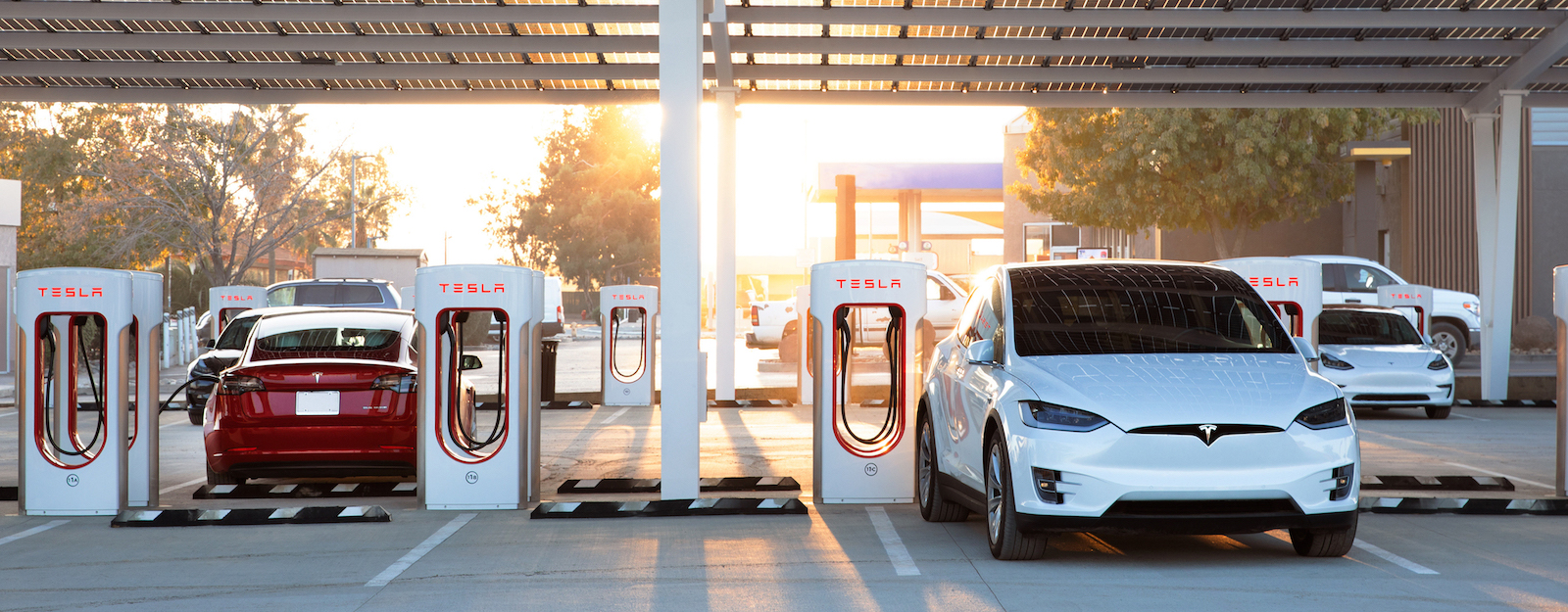
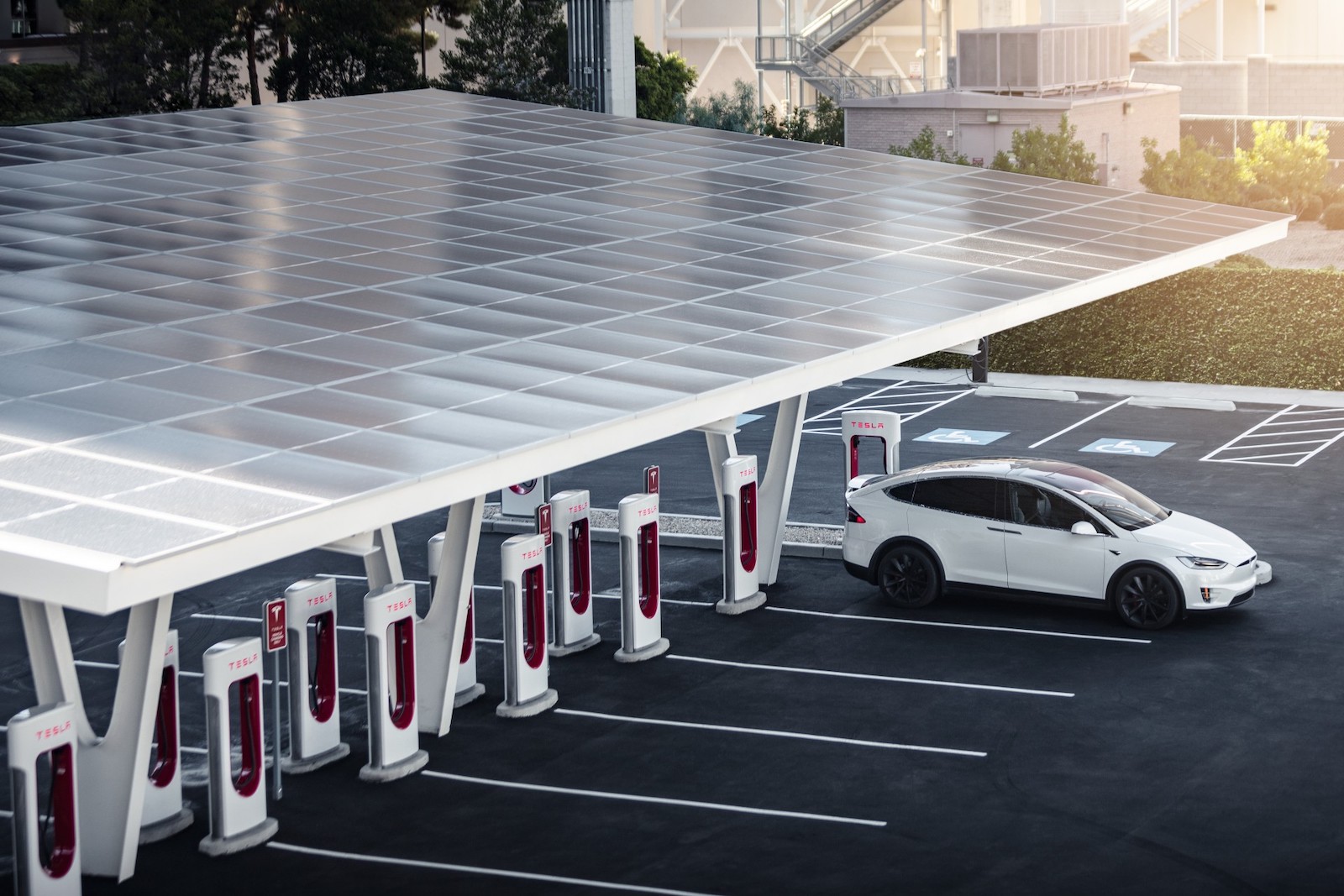
If you drive a Telsa, then more often than not, you’re most probably topping up your EV at one of the numerous Supercharger stations strategically located around North America. You know it’ll be quick and you know exactly what you’re going to get. At many other non-Tesla charging stations, however, that may not be the case.
A new startup ‘Chargeway’ aims to fix that frustration and confusion via a color- and number-coded system that will help EV drivers to find the best chargers and plugs for their particular car, says news site Axios.
Helping car buyers understand how charging works — and managing their expectations — is one of the biggest hurdles facing the EV industry.
EV driver anxiety isn’t just about locating chargers. Drivers also need to know which chargers work with their vehicle, how long it will take to top up and how to pay.
One big problem is that different cars require different connectors. A Nissan Leaf or Mitsubishi Outlander can use one type of plug, while most other EVs use a different connector — except for Teslas of course, which use a third, proprietary connector.
Home chargers and many of those found at parking garages, grocery stores, malls, and hotels are much slower than DC fast chargers. Yet some fast chargers are quicker than others, with outputs ranging wildly from 24 kW to 350 kW. Basically, the higher the number, the shorter the charging time.
It may initially seem like a good idea to seek out chargers with the highest output, but many cars are limited in how much power they can accept.
For example, Ford’s F-150 Lightning and Hyundai’s Ioniq 5 can both be plugged into a 350 kW DC fast charger. But the Ford only accepts up to 120 kW or 155 kW, depending on the truck’s battery size. For the record, an Ioniq 5, however, can charge from 10% to 80% in 18 minutes using a 350 kW DC quick charger.
If you’re an EV owner, you would know. If you’re a soon-to-be EV driver then you will soon learn—the intricate world of EV charging etiquette—that a pickup driver with a charging capacity of only 155 kW would be seen as a “charger hog” if they plugged into a 350 kW charger, as they would top up just as quickly on a less powerful charger.
It’s obvious that a massive education effort is required.
“It’s a big shift,” says Jonathan Levy, chief commercial officer at charging provider EVgo. “Americans don’t speak kilowatts at home, even though their monthly electricity bill says, ‘here is how many kilowatt-hours you consumed.’”
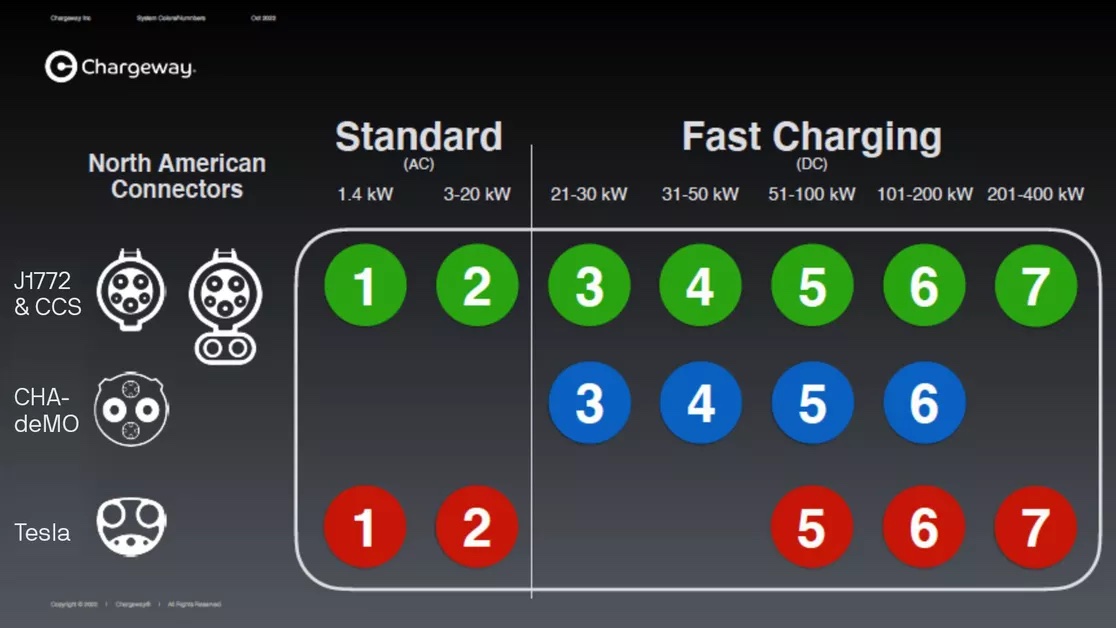
The average driver doesn’t want to learn a new language just to refuel their car, says Matt Teske, founder, and CEO of Chargeway, a startup aiming to simplify EV charging. Chargeway’s app uses colors to show your car’s plug type and numbers to show the maximum power level it can accept. The app also includes a map showing the types of plugs and power levels offered at each charging site. A timer feature also helps motorists estimate how long they’ll need to recharge.
Teske hopes to create a universal language for charging and reports positive responses so far from government officials, carmakers, and industry groups.
OUR THOUGHTS
The solution Chargeway is suggesting is long overdue, simple, and clever. And let’s hope the government comes on board sooner than later. All that, however, may be about to change as a recent White House memo said that Tesla plans to open up its Supercharger network to non-Tesla vehicles in the U.S. in late 2022. If your EV can accept charge rates up to 250 kW then you’re in luck. If the truth be known, the company has been allowing non-Tesla EVs to use its Supercharger network in several cities in Europe as part of a limited pilot program but has been tight-lipped about when US charging stations might accept non-Tesla EV owners.